The short answer
- FPL's $3.48 Hurricane Isaias surcharge is still a proposal; if approved, a typical FPL bill in most of Florida rises $5.23 in January 2027.
- Tampa Electric's 1.4% cut and Duke Energy Florida's lower 2027 rates were approved on Nov. 3, 2026.
- Northwest Florida FPL bills change by about 51 cents because statewide FPL rates align in 2027.
- Weigh solar or a battery on your own 12 months of kWh and your current tariff, not on one year's rate move.
In this guide
If regulators approve Florida Power & Light's Oct. 30 proposal, a typical FPL customer outside Northwest Florida will pay $141.87 for 1,000 kilowatt-hours in January 2027. That is $5.23 more than the $136.64 the Florida Public Service Commission lists for the same usage on October through December 2026 bills.
Part of the increase is a temporary $3.48 monthly charge for Hurricane Isaias, which came ashore in Okaloosa County on Oct. 9 and cut power to about 435,000 FPL customers in Northwest Florida, according to the utility. Tampa Electric and Duke Energy Florida customers are going the other way, with 2027 rate cuts the PSC has already approved.
Florida electric rates in 2027, utility by utility
All figures are for a home using 1,000 kWh a month, as of Nov. 6, 2026. The "now" column is the PSC's residential bill table effective Oct. 1, 2026.
Scroll to compare all columns
| Utility | Typical bill now | January 2027 | Status |
|---|---|---|---|
| FPL, most of Florida | $136.64 | $141.87, including the $3.48 Isaias charge | Proposed; PSC has not ruled |
| FPL, Northwest Florida | $141.36 | $141.87 (one statewide rate from 2027) | Proposed; PSC has not ruled |
| Duke Energy Florida | $157.09* | About $0.95 below December 2026 | Approved (Duke, Nov. 3) |
| Tampa Electric | $156.43 | $154.18, down 1.4% | Approved Nov. 3 |
*The PSC averages Duke's seasonal base rates over 12 months.
What FPL's $3.48 Isaias charge pays for
The surcharge would run from January through December 2027, paying for power restoration after Isaias and to "partially replenish the storm reserve depleted by the destructive hurricane," FPL said.
FPL also asked to lower its fuel charge because it expects cheaper natural gas. It says the combined result, $141.87, is $1.18 below the $143.05 it projected for 2027 in PSC filings a year earlier. Lower than FPL projected is not the same as lower than today.
WEAR in Pensacola reported a net increase of 48 cents a month.
That number nets the $3.48 surcharge against a $3 monthly fuel credit that FPL spokesperson Sarah Gatewood described to the station. Every other line on the bill is left out.
Why Pensacola-area FPL bills barely move
In the PSC's October table, FPL customers in the former Gulf Power territory pay a transition rider of $4.21 a month, while the rest of FPL's customers get a 40-cent credit. That is why their typical bill is $141.36, not $136.64.
"Beginning in 2027, FPL customers in peninsular and Northwest Florida will pay the same rates," FPL said in September 2025. If the proposal is approved, a typical Northwest Florida bill goes from $141.36 to $141.87, a rise of 51 cents.
Why Duke's $33 cut won't show up as $33 in January
Duke Energy Florida said Nov. 3 that the PSC approved lower 2027 rates and that a typical January 2027 bill will be $33 below January 2026. Much of that gap opened in February 2026, when Duke ended a storm recovery charge early; WUSF reported that customers would get about $33 off per 1,000 kWh starting that month.
Measured against December 2026, Duke says January bills fall about 95 cents.
A temporary seasonal reduction takes off another $10 per 1,000 kWh from March through November 2027, and Duke said a tax strategy lets it skip a base rate increase that had been scheduled for 2027.
Tampa Electric's cut is smaller than it asked for
Tampa Electric asked on Sept. 3 for a 1.5% cut.
The PSC approved 1.4% on Nov. 3, so a 1,000-kWh bill will be $154.18 in January instead of the $154.13 the utility requested, and $2.25 below the PSC's October figure.
The company credited cheaper natural gas; fuel is about 20% of a residential bill.
What the 2027 changes mean if you're weighing solar or a battery
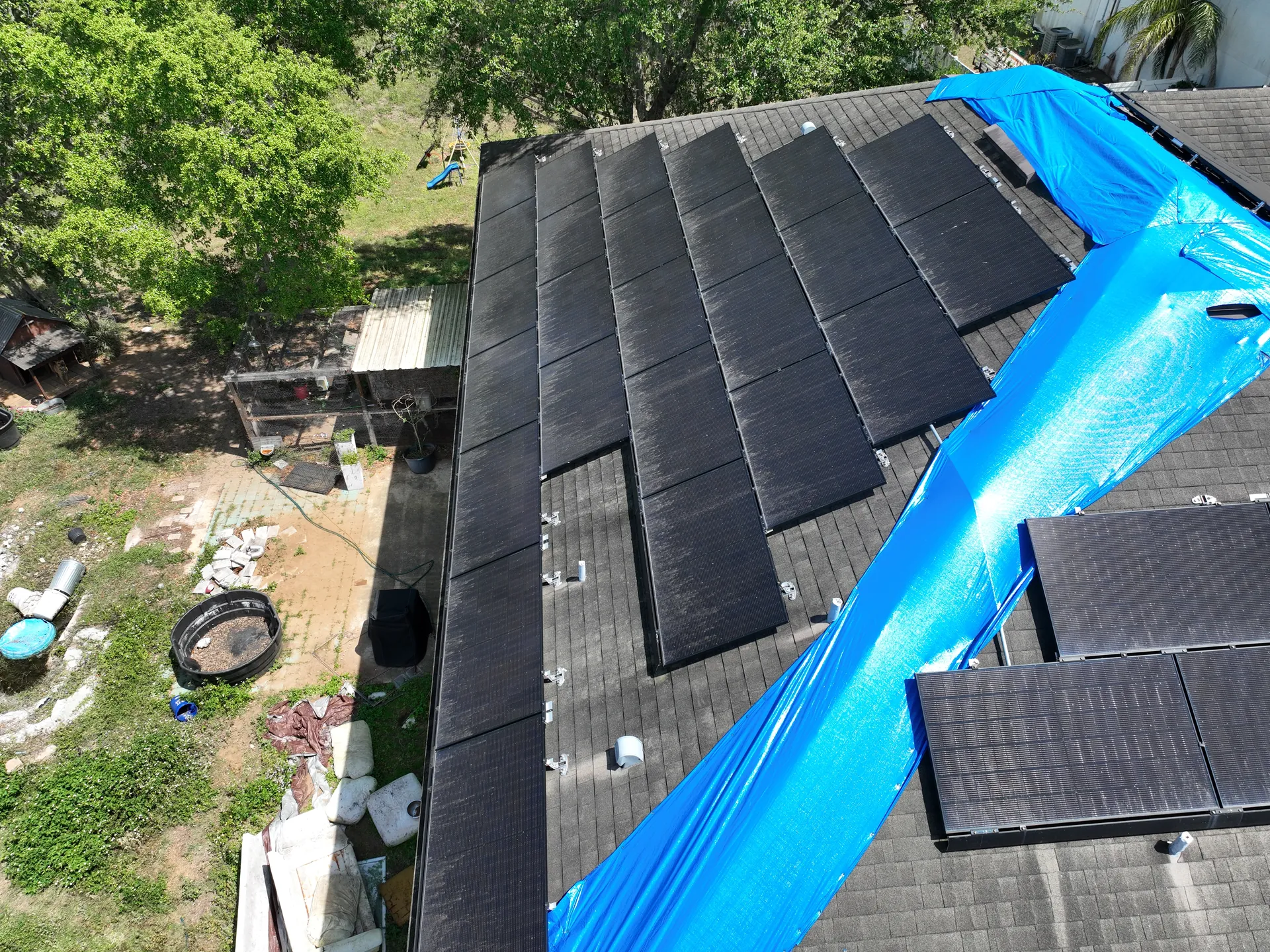
A few dollars a month in either direction is a weak reason to buy solar or to skip it. Base the decision on your own 12 months of kWh and the tariff on your account, not on one year's rate move.
- When rates fall, as they will for Tampa Electric and Duke customers, each kWh solar replaces is worth a little less.
- If the PSC approves FPL's proposal, each kWh replaced is worth a little more.
- How exported power is credited depends on each utility's net metering terms, which our net metering guide walks through.
- Backup is a separate question. A storm surcharge pays for restoring power after an outage; it does nothing to keep your lights on during one. A battery assessment starts with which circuits you need and for how long.
Your next step
Pull your last 12 bills and run the monthly kWh through the solar savings calculator with your utility's current rate. As of Nov. 6, 2026, the PSC had not ruled on FPL's surcharge; if it is approved, it will appear on January statements. Rates, charges and these rules can change after that date, so check your utility's latest bill notice before you decide.
Sources checked
- Florida PSC: residential bill table, Oct. 1, 2026
- FPL: 2027 bills and Isaias surcharge, Oct. 30, 2026
- FPL: Northwest Florida rates, Sept. 29, 2025
- FPL: rate agreement approved, Nov. 20, 2025
- Duke Energy Florida: 2027 rates, Nov. 3, 2026
- Tampa Electric: January cut approved, Nov. 3, 2026
- Tampa Electric: request, Sept. 3, 2026
- WEAR: FPL's 48-cent net, Nov. 2, 2026
- WUSF: Duke storm charge ends, Jan. 26, 2026