
solar
Roof and Solar Combo in Tampa: When to Bundle vs. Separate
By UnionGrid TeamUpdated 6 min read
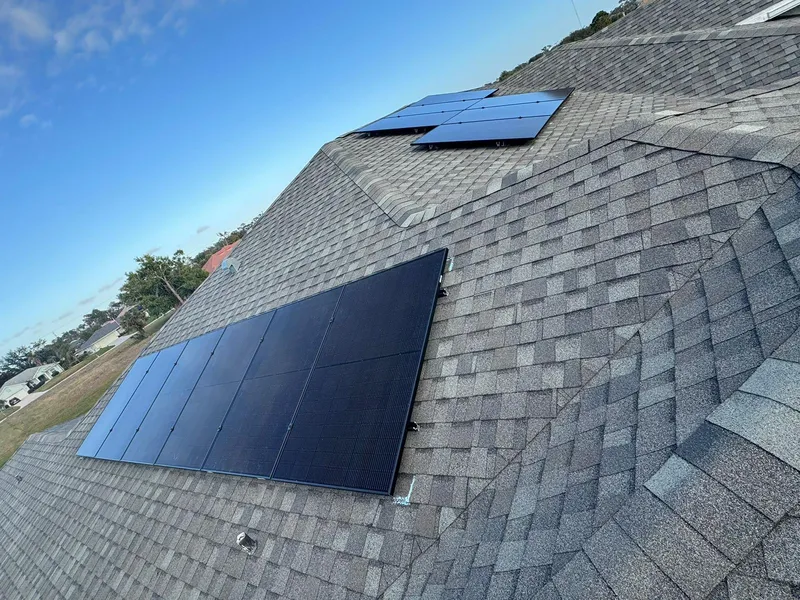
If you own a home in Tampa and you're thinking about solar, there's a question you can't skip: how old is your roof? It sounds like a detour, but it's actually the fork in the road that decides whether you should bundle a new roof with your solar install or keep the two projects separate.
We get this question constantly across Tampa Bay, and the honest answer is: it depends on the roof. Below is how we'd walk a neighbor through the decision — no pressure, just the math and the Florida-specific realities that matter here.
Why the roof comes first
Solar panels are a long-term commitment. A quality system is built to produce power for 25 years or more. The roof underneath it needs to keep pace. If you mount panels on a roof that only has five or six years of life left, you're setting up a problem: when that roof needs to be replaced, the panels have to come off first, then go back on after the new roof is done.
That process — a removal and reinstall, or R&R — is real work. Panels get detached, wiring is disconnected, the array is safely stored, the roof is replaced, and then everything gets remounted, rewired, and re-inspected. It is a separate project cost that may be avoidable when the roof's condition is addressed before the original solar installation.
So before anything else, the practical question is simple: is your roof going to outlive your solar warranty? If the answer is no, you have a decision to make.
When bundling makes sense
Bundling means replacing your roof and installing solar as one coordinated project. For a lot of Tampa homeowners, this is the smart move. Here's when it lines up:
An inspection finds limited remaining service life. Tampa roofs face heavy UV, heat, rain, and wind, but a calendar age is not a diagnosis. Material, installation, ventilation, storm history, prior repairs, and current condition should drive the decision.
Your roof already has visible issues. Curling shingles, granule loss in the gutters, soft spots, a few leaks patched over the years — these are signs the roof is on the back nine. Putting solar on top of that just means paying to take it off again soon.
You want responsibility documented before work starts. A coordinated proposal should state who pulls each permit, who installs and warrants the attachments, and how a leak or warranty claim will be handled. One point of contact is useful, but the license holders and scope boundaries still need to be clear in writing.
You want to avoid a foreseeable R&R cost. When replacement is already necessary, completing the roof before the original solar installation avoids removing a newly installed array for that planned work. It does not eliminate every future repair or removal scenario.
The bundle can also be smoother logistically when roof and solar schedules are planned together. Separate permits and inspections may still be required by Hillsborough County, the City of Tampa, or another local jurisdiction.
When keeping them separate makes sense
Bundling isn't automatically the right call. Separating the projects is often the better financial decision when:
Your roof is in good condition with substantial remaining service life. There is no reason to replace a healthy roof merely to align project dates. Confirm its warranty and the planned attachment method, then design around the existing roof.
You need a roof now but are not ready for solar. After storm damage, an insurer requirement, or a documented failure, it can make sense to complete the necessary roof scope first. If solar may follow, tell the roofing contractor and preserve the roof, structural, permit, and warranty documents for the future designer.
Your budget favors one project at a time. A roof and a solar system are each meaningful investments. When the roof work is already necessary, some households would rather complete it this year and add solar later. That sequence avoids installing and immediately removing an array for the planned roof scope.
The sequence to avoid is installing solar when an inspection already shows roof replacement is imminent. That creates a foreseeable removal-and-reinstall scope.
The Tampa factors that tip the scale
A few things about our market change the calculation compared to other parts of the country.
Wind design. Wind uplift is a real engineering concern, and the attachment plan must match the address-specific design pressures, roof structure, and approved mounting hardware. Coordination helps the roofing documents and solar attachment plan agree; it does not replace site-specific engineering or separate permit requirements.
Insurance documentation. Florida insurers may consider roof age and condition, while state law requires discounts or credits for qualifying wind-mitigation features. A new roof does not guarantee a particular premium or renewal result. Confirm the required inspection and documents with your insurer before construction.
Heat and utility bills. Tampa summers can drive heavy air-conditioning use, which affects system sizing. For Tampa Electric customers, exported energy receives credits under the utility's current net-metering terms; other utilities may differ. Model the actual utility account and bill history rather than assuming one Tampa-wide result.
Permitting and inspection timelines. Roofing and solar can involve separate permit cycles. Coordinating submittals and field work may reduce delays, but the authority having jurisdiction controls review and inspection timing.
A simple way to decide
If you want a quick gut check, ask yourself three questions:
- What does a qualified roof inspection show? Condition, remaining service life, leaks, storm damage, warranty, and material matter more than an age-only cutoff.
- Am I planning to stay in this home? A longer horizon makes future removal-and-reinstall costs more relevant, but compare itemized totals rather than assuming bundling pays off.
- Do I want one coordinated project or two? If a single point of scheduling matters to you, bundling can simplify the process. The documents should still identify the licensed contractor and warranty owner for each scope.
There's no universal right answer — even two roofs of the same age can lead to different recommendations because material, installation, damage, repairs, and remaining service life differ. That's why the decision starts with the roof itself.
How UnionGrid approaches it
UnionGrid can coordinate the roof and solar scopes and compare the combined plan with separate work. If the roof is solid, the proposal should not include unnecessary replacement. If an inspection finds limited remaining life, compare the combined cost with the likely future R&R cost.
When the work is coordinated, both scopes can run under one schedule, with the proposal spelling out permit and warranty responsibility. If you already have panels on a roof that needs replacement, we can coordinate the removal and reinstall with the roof work.
If you're weighing a roof and solar bundle in Tampa, start with a qualified roof assessment and itemized options. You can get a free quote or run the numbers on your own with our solar savings calculator first. The goal is to understand whether coordination is justified and who owns each scope.
Tampa is our flagship market, and we've seen just about every roof-and-solar scenario the Bay area can produce. Whether you need a straightforward solar install on a good roof or a full roof-and-array rebuild, we'll give you the plain-English version and let you make the call.
Sources checked
Frequently asked questions
Should I get a new roof before installing solar in Tampa?
Replace it first when a qualified inspection finds damage or too little remaining service life for the planned solar project. Age alone is not enough: material, installation, repairs, leaks, and storm history all matter. Coordinating the work can avoid a foreseeable removal and reinstall later.
How much does it cost to remove and reinstall solar panels for a roof replacement?
The cost depends on system size, roof layout, equipment, storage, permitting, and whether any components need replacement. Treat it as a separate quoted scope rather than relying on a generic figure. If roof replacement is already necessary, doing it before the original solar installation can avoid that later scope.
Can UnionGrid handle both the roof and the solar in one project?
UnionGrid can coordinate both scopes under one schedule. The proposal, permits, and warranties should still identify the appropriately licensed contractor responsible for the roof, the contractor responsible for the electrical and solar work, and who warrants the attachments and penetrations.
Does a new roof help with home insurance in Tampa?
It may, but the outcome is insurer- and property-specific. Florida requires recognition of qualifying wind-mitigation features, and some insurers also consider roof age and condition. Ask the insurer which inspection form and documentation it requires before assuming a premium or underwriting result.
Related reading
Tampa Solar Installation
See how residential solar works on a Tampa home and what a typical install includes.
Learn moreRoof Replacement in Tampa
Roof replacement options and the details to coordinate before adding solar.
Learn moreSolar Panel Removal & Reinstall in Tampa
Already have panels on an aging roof? Here's how R&R works.
Learn moreFree Quote
Get a straightforward assessment of your roof and solar options.
Learn moreReady to talk about your project?
Tell us what you need and our team can help you take the next step with solar, roofing, battery storage, or roof-related solar work.