
roof and solar bundle
Roof and Solar Combo: When to Bundle vs. Keep Them Separate
By UnionGrid TeamUpdated 6 min read
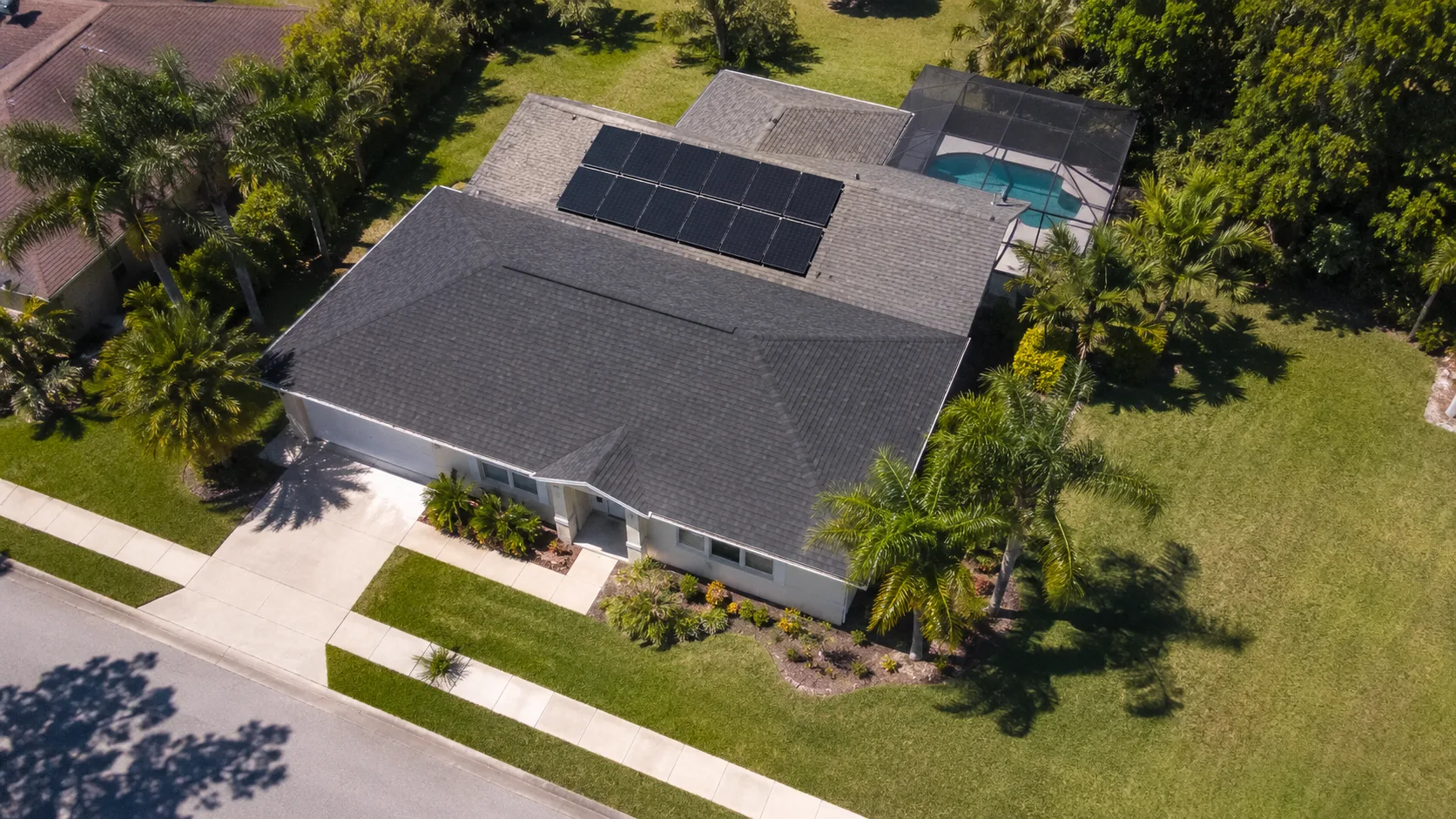
If you're a Florida homeowner thinking about solar, there's a question that comes up early and matters more than most people expect: what shape is your roof in? Rooftop arrays are attached through or to the roof system using a site-specific structural design. So the condition of the roof underneath the array becomes part of the solar decision whether you planned for it or not.
That's where a coordinated roof-and-solar project comes in. UnionGrid gets asked all the time whether a homeowner should replace the roof and add solar on one schedule or keep the projects separate. The honest answer is it depends — and below we'll walk through when coordination makes sense and when it does not.
Why the roof underneath your panels matters so much
Here's the mechanical reality. A permitted solar array in Florida needs an attachment design for the site's structural and wind conditions. Depending on the roof and mounting system, attachments may penetrate the roof covering and require compatible flashing and waterproofing details. Removing an installed array later is a separate electrical, roofing, and permitting project.
So if your roof has only a handful of years of service life left when the panels go on, you've created a timing problem. When the roof later needs replacement, the array may need to be removed, stored, and reinstalled after the roof work. That solar panel removal and reinstall becomes a separate project cost that may have been avoidable with better sequencing.
This is the single biggest reason the roof-and-solar sequencing question deserves attention up front, not after the fact.
When bundling roof and solar makes sense
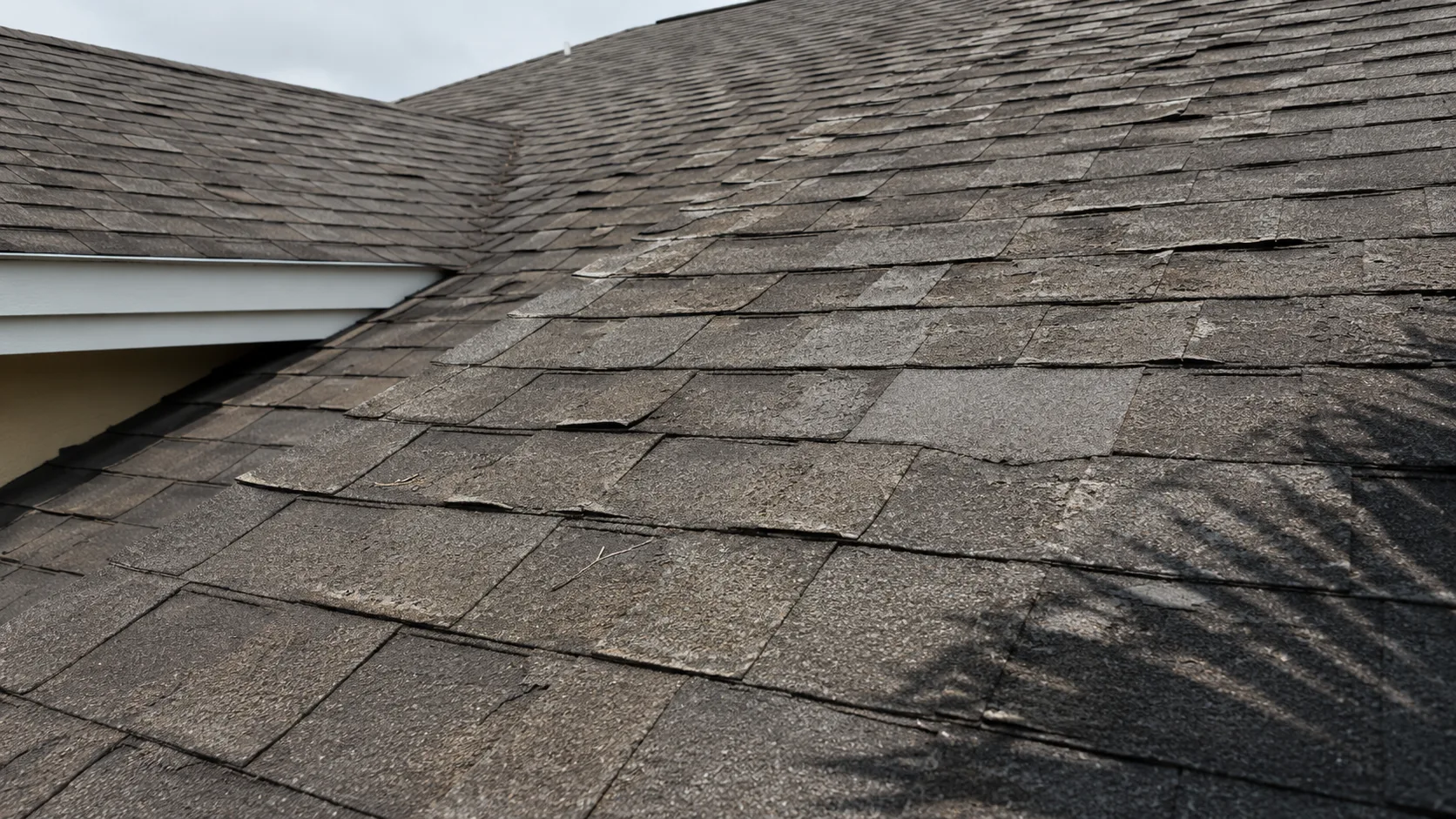
A solar roof replacement combo — doing both as one coordinated project — is usually the smart move in these situations:
A qualified inspection finds limited remaining service life. Age is useful context, but it is not a diagnosis. Roof material, installation, ventilation, storm history, repairs, leaks, and visible deterioration all matter. If the inspection indicates the roof is unlikely to remain serviceable for the planned solar period, price replacement before installation.
You've had leaks, storm damage, or visible wear. Curling or missing shingles, granules collecting in your gutters, soft spots, prior patch repairs, or water stains in the attic are all signs the roof isn't a good 25-year foundation. Mounting panels over a compromised surface just locks in a future problem.
You want a clear responsibility map. A coordinated proposal should name the contractor responsible for the roof, the contractor responsible for the electrical and solar work, who installs and warrants attachments, and how a leak or warranty claim will be handled. One point of contact is useful only when the underlying contracts and permits are equally clear.
You want to reduce duplicated work. Coordinating both scopes can simplify scheduling and avoid a foreseeable future removal-and-reinstall project. Roofing and solar may still require separate permits, inspections, crews, and warranty documents, so compare itemized totals instead of assuming a bundle is automatically cheaper.
The site review identifies structural or code-required work. If the roof or structural assessment calls for deck or framing repairs, new attachment details, or other required work, resolve that scope before solar and coordinate the permit documents.
When it's better to keep them separate
Bundling isn't automatically right. Plenty of homeowners are better off treating the two as separate decisions:
Your roof is in good condition with substantial remaining service life. There is no reason to replace a healthy roof merely to align dates. Confirm its condition, warranty terms, and the attachment method, then design the solar installation for the existing surface.
You recently replaced the roof. This is the ideal setup for solar. A fresh roof under a new array is exactly what you want, and there's nothing to bundle. One note: it's worth telling your roofer if solar is coming, so attachment points and warranty considerations are handled cleanly — but that's coordination, not a combined project.
Your budget or timeline forces a phased approach. Sometimes it makes sense to replace an aging roof now and add solar later once you're ready. That's a legitimate plan. If your roof genuinely needs replacing, get that done — a sound roof is the priority — and layer solar on when the timing works for your household.
Even when the work stays separate, coordinating the roof assessment with the solar design helps expose attachment, warranty, and sequencing questions before contracts are signed.
The Florida-specific wrinkles
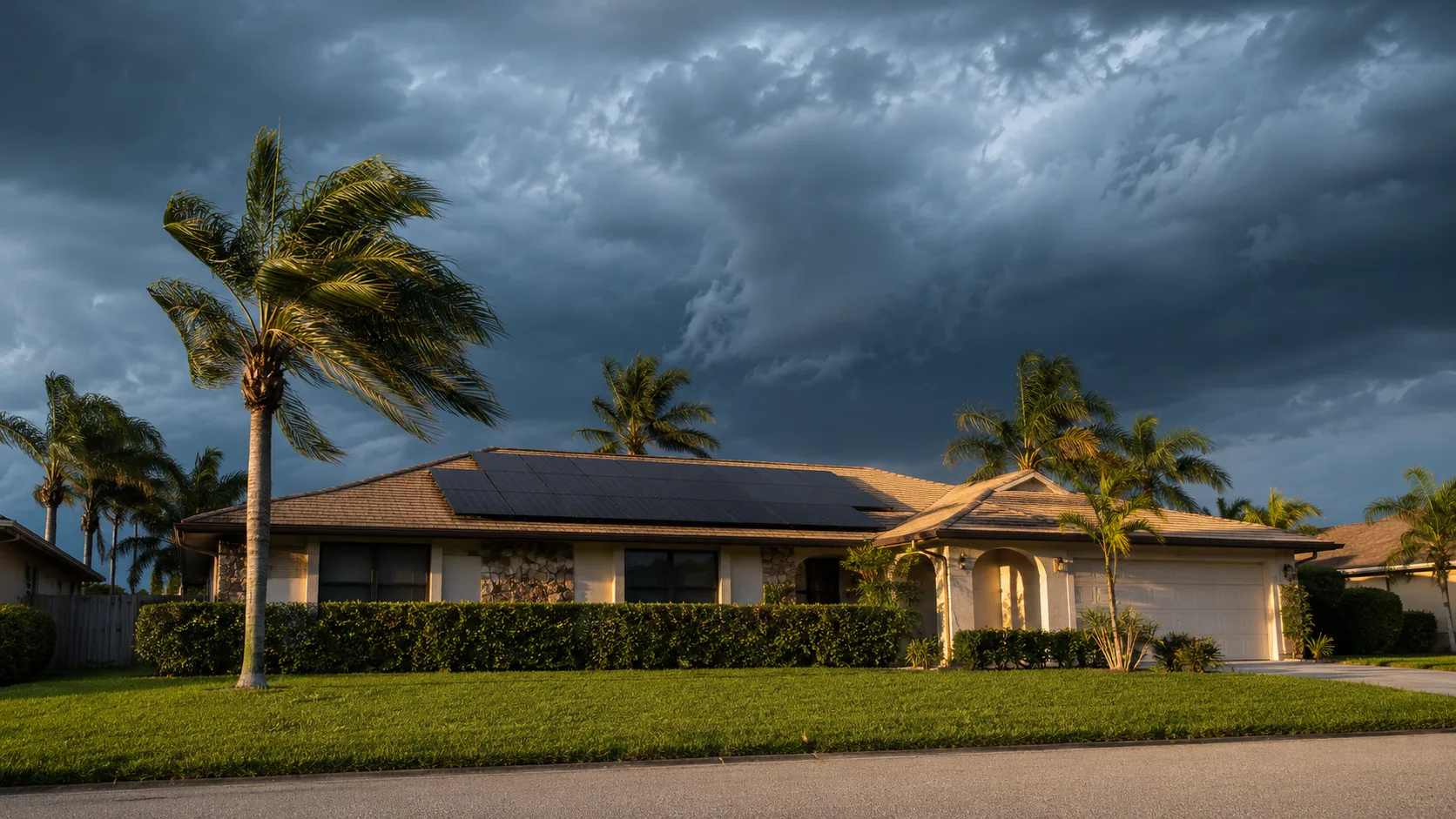
A few things make this decision different in Florida than it would be up north:
- Wind design and permitting. Florida's building code imposes wind requirements on both roofing and rooftop solar. The solar attachment design must match the site conditions and roof structure, and the roof and solar permit packages should agree even when separate licensed contractors are involved.
- Insurance and roof documentation. Florida law limits age-only underwriting in some situations and requires insurers to recognize qualifying wind-mitigation features, but the result depends on the policy, inspection, and documented construction. Ask your insurer what it needs before replacing a roof or adding solar.
- Hurricane season timing. Nobody wants roof work half-finished when a storm is spinning up in the Gulf. A coordinated schedule can reduce gaps between the roof and solar scopes.
- Different service lives. Roof coverings, flashing, sealants, modules, inverters, and other components do not necessarily age on the same schedule. Compare the roof inspection with the planned solar service period instead of assuming the dates align.
How UnionGrid approaches it
Our assessment starts with the roof because its condition affects the solar design and schedule. We can coordinate the scopes and show the roof-only, solar-only, and combined costs. Before signing, confirm the license holder named on each permit through the Florida DBPR license search.
If the roof is solid, the solar can be designed around it. If an inspection finds limited remaining life, the combined option can be compared with a future removal and reinstall. Either way, the proposal should identify separate permit responsibilities and warranty coverage even when the schedule has one point of contact.
You can start by having us assess your specific situation — the roof, your energy goals, and the numbers — with a free quote. If you already know the roof needs attention, review the roofing options and the responsible contractor before folding solar into the schedule.
The goal isn't to sell you the biggest possible project. It's to make sure you don't mount a 25-year investment on a roof that won't last that long — and to save you from paying twice to get onto the same roof.
The bottom line
Bundling can make sense when a qualified inspection shows the roof needs replacement anyway: coordinated scheduling may reduce duplicated work and can avoid a future removal-and-reinstall project. Keep the scopes separate when the roof is healthy or when a phased plan fits your budget better. Either way, start with a qualified roof assessment and compare itemized proposals before deciding.
Sources checked
Frequently asked questions
How old does my roof need to be before I bundle a replacement with solar?
There is no reliable age-only cutoff. Roof material, installation quality, storm history, leaks, repairs, and current condition matter more than a single number. If an appropriately qualified inspection shows that the roof is unlikely to last through the solar project's expected service period, price replacement before panels go on.
Is it cheaper to do the roof and solar at the same time?
It can be, especially when the roof already needs replacement, because coordinated scheduling may reduce duplicated work and can avoid a later panel removal and reinstall. It is not automatically cheaper: compare itemized roof-only, solar-only, combined, and future removal-and-reinstall costs before deciding.
Can UnionGrid handle both the roofing and the solar, or do I need two companies?
UnionGrid can coordinate the roofing and solar scopes. Your written proposal, permits, and warranties should identify the appropriately licensed contractor responsible for each scope, the work each party performs, and who handles any roof penetration or warranty issue.
What if I just replaced my roof and now I want solar?
A recently replaced roof may be a good candidate for solar without additional roofing work. Confirm its condition, structural suitability, warranty terms, and the proposed attachment method first. Bundling only makes sense when the roof scope is actually necessary.
Related reading
Roofing Services
Roof repair, replacement, and hurricane-rated roofing across Florida.
Learn moreSolar Panel Removal & Reinstall (Tampa)
How an existing array is removed and reinstalled when the roof needs work.
Learn moreResidential Solar Installation
How UnionGrid designs and installs home solar systems in Florida.
Learn moreGet a Free Quote
Have us assess your roof and solar options in one visit.
Learn moreReady to talk about your project?
Tell us what you need and our team can help you take the next step with solar, roofing, battery storage, or roof-related solar work.