The short answer
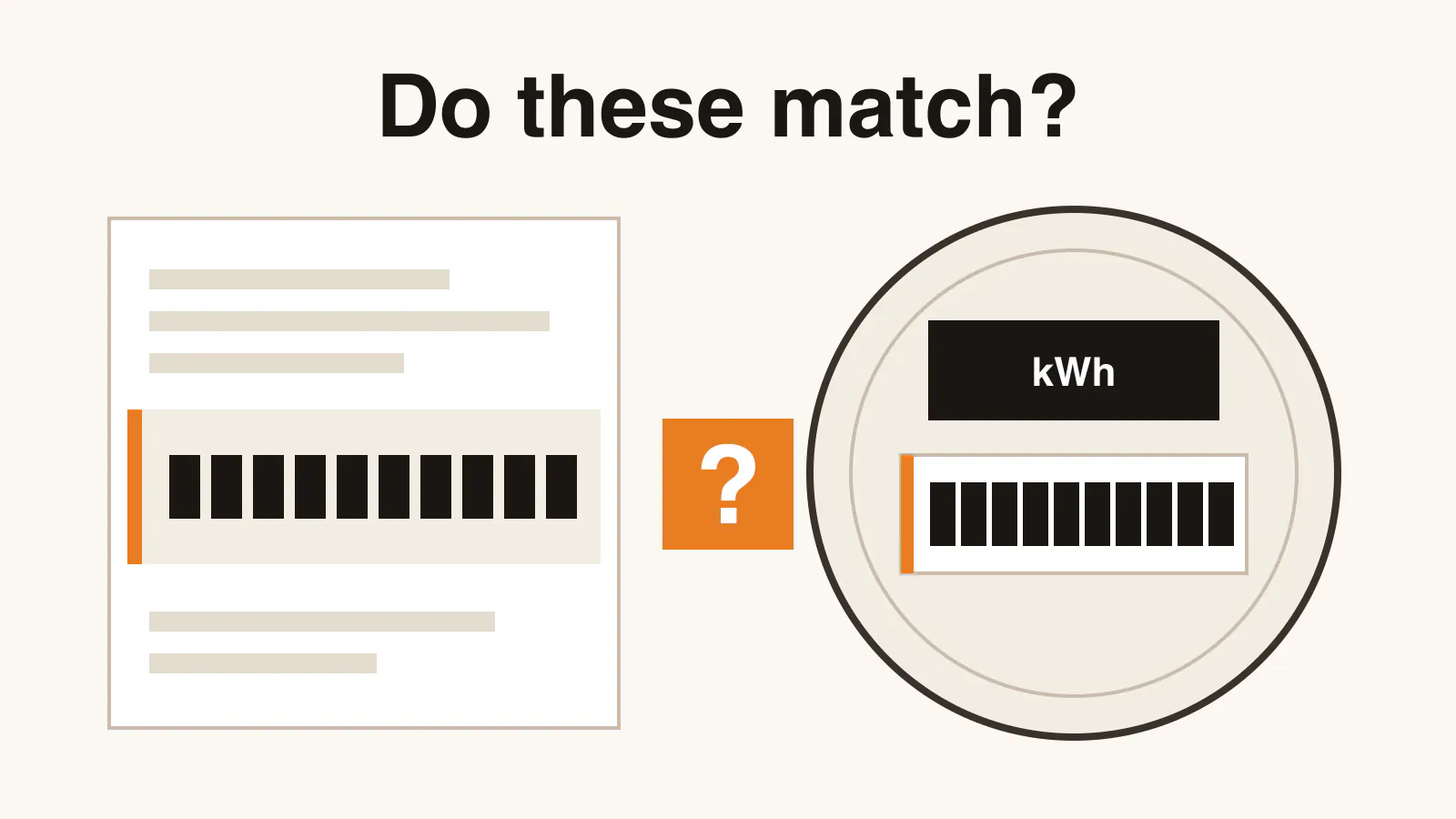
- The meter number on your bill should match the number on the meter at your house, digit for digit. In the Largo case, a mismatch ran for 57 months.
- A meter accuracy test won't catch a mix-up. A meter can pass and still belong to another home.
- As of Nov. 8, 2026, Florida PSC Rule 25-6.106 requires a utility to refund an overbilling for the period it occurred, as a bill credit or a one-time payment.
- Going solar can mean a new meter, so check the number on your first bill after interconnection.
In this guide
Duke Energy billed a Largo homeowner for a Treasure Island home's electricity for 57 months, Fox 13 Tampa Bay reported on Nov. 3, 2026. It ended only when a Duke technician noticed that the meter number on her paper statement did not match the meter outside her house.
You can run the same check with your latest bill and your own meter. Here is where FPL, Tampa Electric and Duke Energy Florida print the number, how to read the meter, and what Florida's rules say if the two don't match.
Meters at both homes were changed a day apart, on Jan. 26 and Jan. 27, 2022, according to Fox 13. Duke representatives had told her the meter was working properly, and she replaced working appliances, including an air conditioner and a pool pump. Her August bill was $970 even though she was away for 28 of its 31 days, and in an Oct. 1 email Duke acknowledged an overbilling of $10,939.29 from what it called an "administrative error."
How do I check my electric meter number?
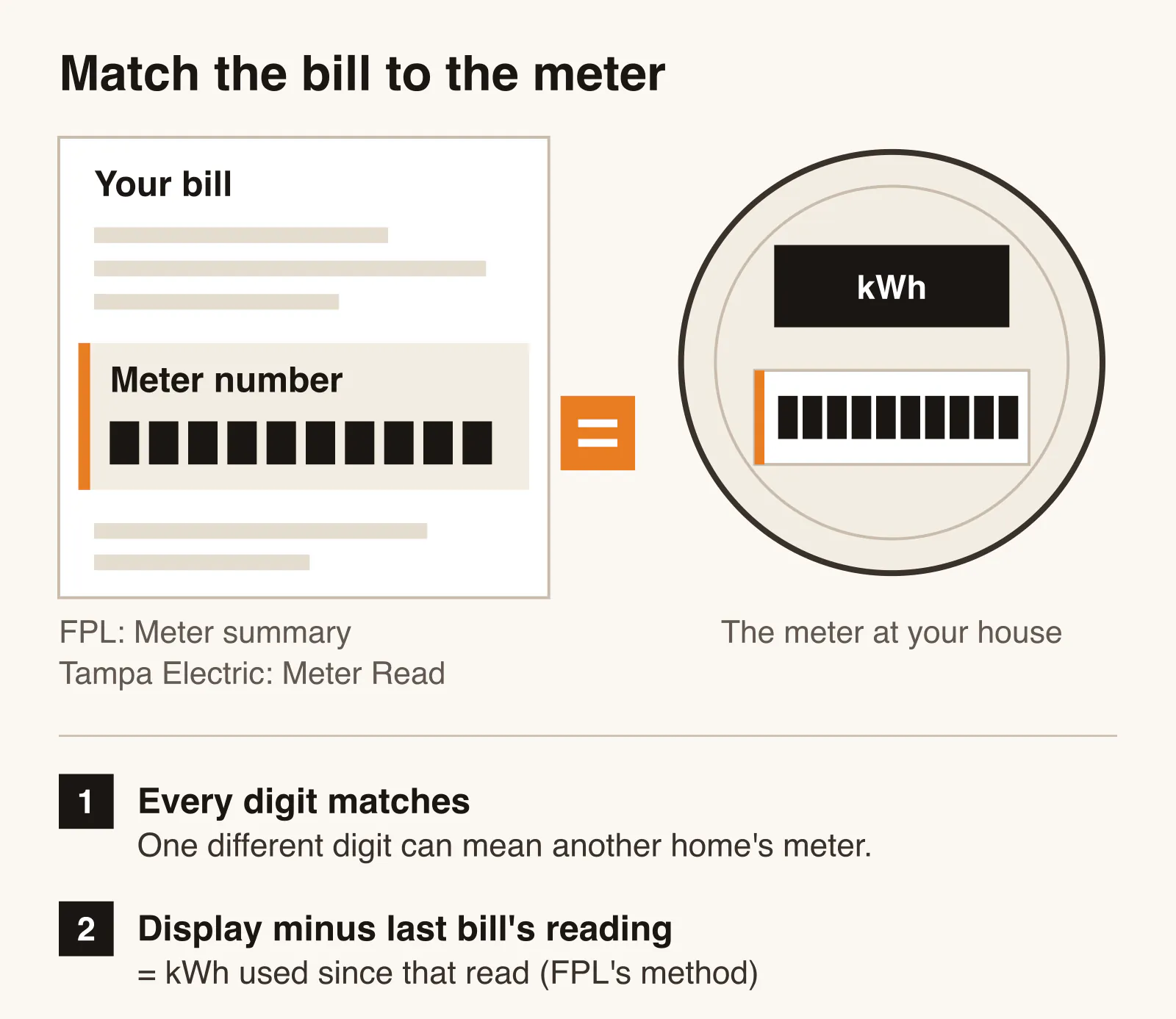
Find the meter number on your latest bill, find the number on the meter at your house, and compare them digit by digit. If a single digit differs, your account may be tied to someone else's meter.
| Utility | Where the bill shows the meter number |
|---|---|
| FPL | "Meter summary" section, labeled "Meter number" |
| Tampa Electric | "Meter Read" section, first column, "Meter Number" (10 digits means a smart meter) |
| Duke Energy Florida | On the statement; the Largo error turned up when that number was compared with the meter |
Confirm the service address on the bill is yours, too. Read the meter from where you stand and don't open it or its box. FPL says its smart meters have a digital display with a sticker on the face.
How do I read my meter and compare it with the bill?
Read a smart meter's digital display from left to right, FPL says, then subtract the current reading on your last bill to get the kilowatt-hours used since that read.
Florida's Rule 25-6.100 requires every bill to show the current and previous readings, the date of the read, the word estimated when no actual reading was taken, and your average daily kWh. Tampa Electric labels that last figure "Avg kWh Used Per Day."
For a quick test, read the meter at the same time on two days in a row; the difference is one day of your household's use. If it is far below the bill's daily average, repeat it on a few more days and call the utility if the gap holds.
The online usage graph can't settle this question, because it reports the meter your account is linked to.
What if the meter number doesn't match?
Call the utility, give it both numbers, and photograph the meter and the bill. Ask when the meter on your account was last changed and for a review of usage back to that date. Duke told Fox 13 that fixing an error like this "involves assessing the energy usage for both customers during the impacted timeframe."
A meter test checks accuracy, not whose meter it is. Rule 25-6.059 gives you one free test if your meter has not been tested in the past 12 months. A meter can pass that test and still belong to another house.
Does Florida require a refund for overbilling?
Yes. As of Nov. 8, 2026, Public Service Commission Rule 25-6.106 says a utility that overbills for reasons other than a faulty meter must refund the overcharge "for the period during which the overcharge occurred," based on its records. You choose a bill credit or a one-time payment.
A fast meter falls under Rule 25-6.103 instead, where the refund generally covers half the time since the meter's last test, capped at 12 months unless the start of the error can be pinned down.
These rules cover investor-owned utilities such as FPL, Duke Energy Florida and Tampa Electric. Florida law's definition of a public utility leaves out co-ops and city-owned utilities.
How do I file a complaint with the Florida PSC?
If the utility does not fix it, contact the PSC's Office of Consumer Assistance and Outreach online at floridapsc.com, by phone at 1-800-342-3552, or in writing. Give the company name, the name on the account and the service address.
Under Rule 25-22.032, the utility must contact you and respond within 15 working days after PSC staff forwards the complaint. It cannot shut off your power over the disputed amount while the complaint is open, though it can require you to pay the part you don't dispute.
Going solar? Check the number after the meter swap
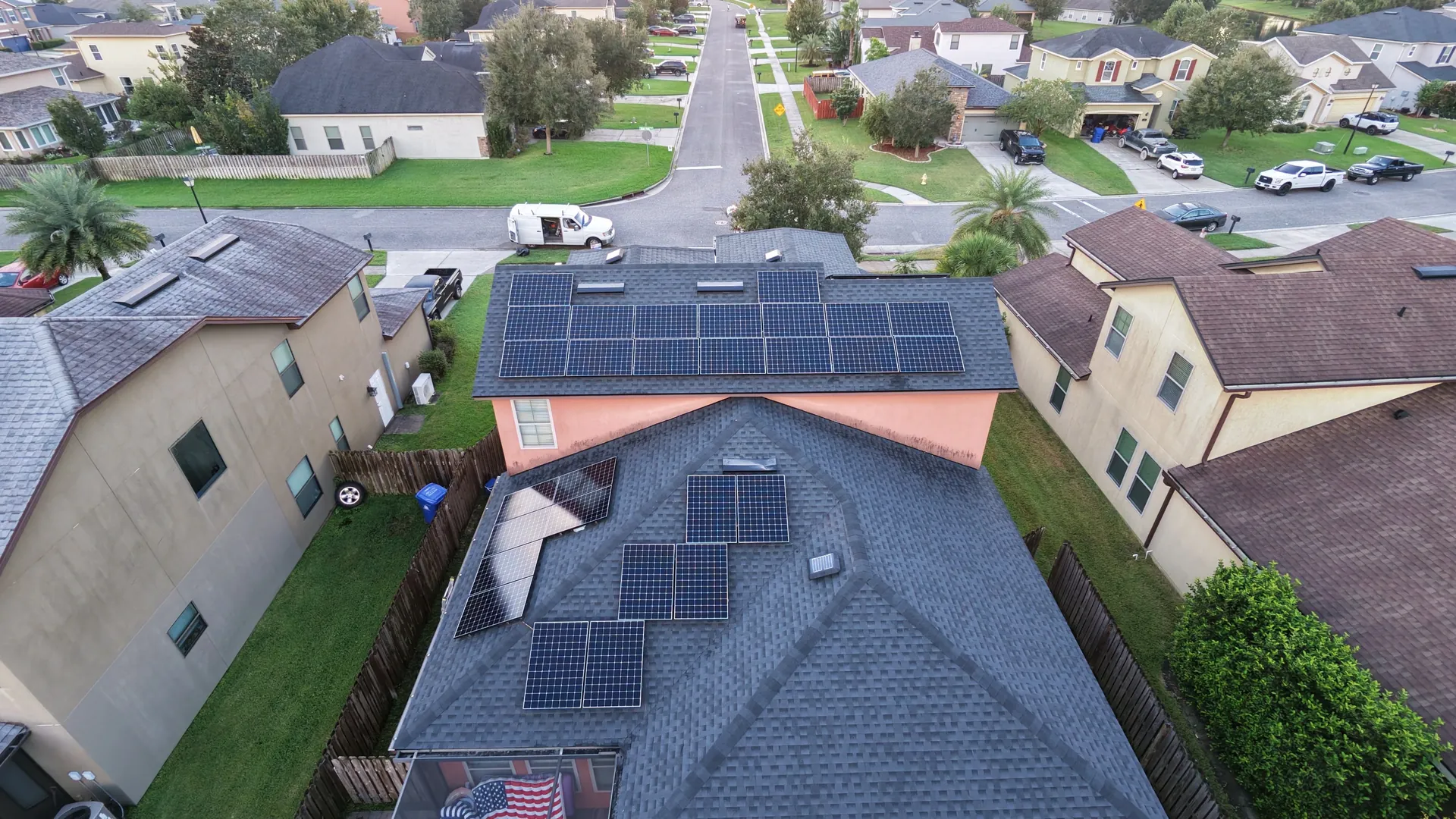
Connecting solar can mean a new meter. FPL says that once a net-metering application is approved, "we'll install a meter that measures both the quantity and the direction of electricity flow." Tampa Electric swaps the standard meter for a bi-directional one after inspection, if required.
The Largo mix-up started with a meter change, so check the first bill after yours. It may list two meter lines, as Tampa Electric's sample net-metering bill does. Our guide to solar permitting and interconnection in Florida covers the steps before that swap.
Before you run your bills through our solar savings calculator, make sure the meter number on them is yours, then request a solar quote with that bill in hand.
Sources checked
- Fox 13 Tampa Bay: Duke Energy refunds Largo woman after nearly 5 years of wrong bills (Nov. 3, 2026)
- Florida Administrative Code Rule 25-6.106: Underbillings and Overbillings of Energy
- Florida Department of State: Rule 25-6.106 history
- Florida Administrative Code Rule 25-6.103: Adjustment of Bills for Meter Error
- Florida Administrative Code Rule 25-6.100: Customer Billings
- Florida Administrative Code Rule 25-6.059: Meter Test by Request
- Florida Administrative Code Rule 25-22.032: Customer Complaints
- Florida Statutes, Section 366.02 (2026): definitions
- Florida Office of Public Counsel: helpful resources
- FPL: How to read your bill
- FPL: How to read your meter
- FPL: Net metering FAQ
- Tampa Electric: net meter sample bill
- Tampa Electric: Report a Concern
- Tampa Electric: Connecting Your Solar
- Tampa Electric: net metering application steps
Sources reviewed Nov. 8, 2026.