
solar permitting
How Long Does Solar Permitting and Interconnection Take in Florida?
By UnionGrid Team5 min read
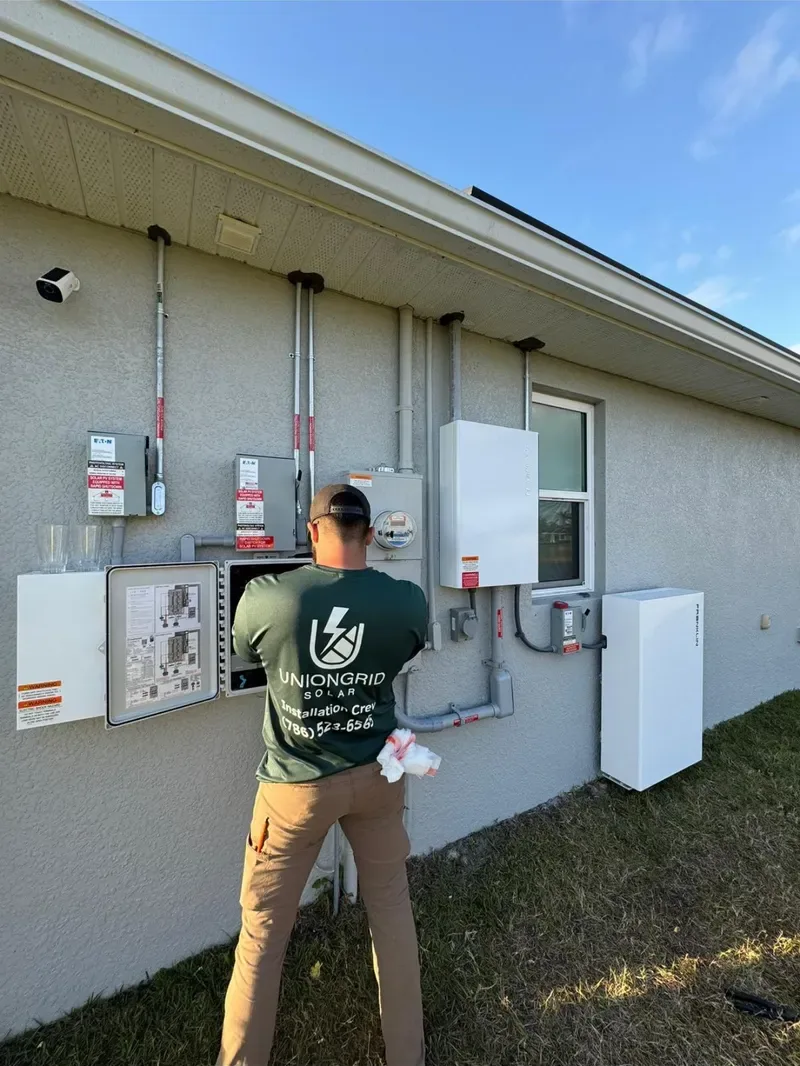
A Florida solar project has several milestones: design, local permitting, installation, inspections, and utility authorization. The date panels arrive is only one of them. To plan realistically, ask when each stage can start, what it depends on, and who confirms it is complete.
There is no single statewide duration that fits every roof, utility, and permitting office. A useful estimate is based on your address and scope, with the review queues and possible corrections shown separately.
Start with a schedule you can track
Ask your installer for these milestones in writing:
- Design complete: roof assessment, system layout, electrical design, and any required engineering are ready.
- Permit submitted and issued: the correct local authority has accepted the application and completed the required review.
- Installation complete: the contracted equipment and electrical work are in place.
- Local inspections complete: outstanding corrections have been resolved and the required records are available.
- Utility approval and metering complete: the utility's conditions for normal grid-connected operation have been met.
Some activities overlap, while others depend on a previous step. Ask which milestone currently controls your completion date. A permit application number or written review comment tells you more than a repeated promise that the project is almost ready.
Local permitting depends on the jurisdiction and scope
The authority serving your property determines which permits, plans, and inspections apply. Do not assume every Florida project needs two separate permits with the same names. Tampa's published solar permitting checklist, for example, distinguishes residential trade permits from commercial applications.
A permit package may include the site layout, electrical diagram, equipment information, and structural or attachment details. Requirements can change with the building type, roof work, battery scope, and service upgrades. Use the current instructions from your permitting authority rather than copying another city's checklist.
An incomplete package or a design change can require corrections. Ask the installer when the application was accepted, whether comments remain open, and when the response was submitted. Published review targets are not a promise that an individual application will be approved on that date.
Roof and electrical work can change the sequence
A roof that needs repair or replacement adds another scope before solar can be installed on a suitable surface. An electrical service upgrade may also involve separate permits and utility coordination. Identify those needs during the assessment, before treating an installation date as firm.
Our guide to bundling roof and solar or keeping them separate explains how roof condition changes the decision. If roofing is needed, the project documents should identify the appropriately licensed roofing party separately from the electrical and solar scope.
For a project with battery storage, the design also needs to identify the equipment, backup loads, and connection arrangement. These details can affect the permit package and installation sequence.
Utility interconnection follows its own process
Your local permit and your utility's interconnection process are separate approvals. Check the utility process during design so any preliminary approval happens at the right time.
As reviewed on September 20, 2026, FPL's net-metering FAQ instructs customers to seek preapproval before installation. Tampa Electric's connection guide describes its application and inspection sequence and says interconnection approval may take up to 30 calendar days after it receives a completed application and all required documents, subject to a successful utility inspection. That is a utility-specific review window, not a statewide contract-to-completion estimate.
Your installer should confirm the current process for the utility on your bill. System size, equipment changes, missing documents, or distribution upgrades can affect the review. Municipal and cooperative utility procedures should be checked directly with those providers.
Once connected, export credits are another utility-specific question. Our Florida net-metering guide explains the terms to check without assuming every account has the same arrangement.
Installation, inspection, and authorization are different milestones
Installation time depends on the array, roof access, electrical work, weather, and any additional equipment. Ask for the crew's estimate for your project, including the circumstances that could change it.
After installation, required inspections confirm the work against the approved scope. A correction may need additional work and another inspection. Obtain the completion record rather than assuming that installed panels mean all approvals are finished.
Before normal grid-connected operation, have the installer confirm that the local inspection, utility authorization, and metering requirements are complete. Follow the utility agreement and commissioning instructions; the name and order of the final approval steps vary by utility.
Questions to ask when a project is delayed
- What specific approval or task is outstanding?
- Is the application complete, and when was it accepted?
- Are there written corrections, and who is responding to them?
- Does the installed system still match the submitted design?
- Is an inspection, meter change, or service upgrade needed next?
- When will I receive the next update, even if the status has not changed?
Weather, equipment availability, additional roof work, and review queues can affect a schedule. Clear ownership and records help you distinguish a dependency from a task that has been overlooked.
UnionGrid coordinates solar design, permitting, and interconnection as part of the proposed scope. For a schedule tied to your address, roof, and utility, request a free quote or contact our team. Bring your utility account information and tell us about any planned roof or electrical work so the estimate includes those dependencies.
Sources checked
Reviewed September 20, 2026. Confirm the requirements and product documents that apply to your project before work begins.
Frequently asked questions
How long does the whole solar process take in Florida from signing to switch-on?
There is no single verified statewide timeline. Design, permitting, installation, local inspections, and utility authorization each have their own dependencies. Ask for an address-specific schedule and distinguish a utility review window from the total project duration. Tampa Electric publishes a review window starting only when it has a complete application and required documents.
What is utility interconnection and why does it take time?
Interconnection is the process for approving a connection between your generating system and the utility grid. The utility reviews the system information and required documents and coordinates its approval and metering steps. The sequence varies by utility; an issued building permit alone does not authorize grid-connected operation.
Which part of the timeline takes the longest?
The critical path varies by project. Plan review, corrections, roof or service upgrades, inspection appointments, and utility review can each determine the completion date. Ask which step is currently outstanding, who owns it, and what evidence will close it.
Can I speed up my solar permitting timeline?
Complete applications and prompt responses to review comments can prevent avoidable delays. Provide accurate account and property information, keep access clear, and resolve roof or electrical issues during design. Your installer can coordinate submissions but cannot promise the response time of a building department or utility.
Do I have to wait for permission to operate before turning the system on?
Wait until your installer confirms that the required local inspections, utility authorization, and metering steps are complete before normal grid-connected operation. Follow your utility agreement and commissioning instructions. The exact sequence and name of the final approval vary by utility.
Related reading
Net Metering in Florida: 2026 Payback
How net metering credits work with your utility and what it means for your payback timeline.
Learn moreFlorida Solar Incentives 2026
A plain-English rundown of the incentives that affect a Florida solar project.
Learn moreGet a Free Solar Quote
Tell us about your roof and utility and we will map out a realistic timeline for your home.
Learn moreResidential Solar Installation
See how UnionGrid handles design, permitting, and interconnection start to finish.
Learn moreReady to talk about your project?
Tell us what you need and our team can help you take the next step with solar, roofing, battery storage, or roof-related solar work.