
roof inspection
Why Your Roof Needs an Inspection Before Solar Goes On
By UnionGrid Team7 min read
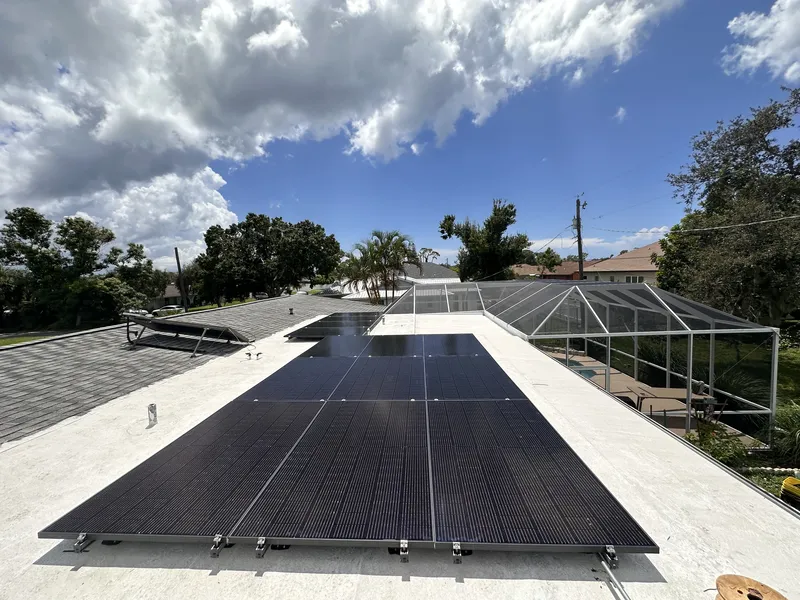
Solar panels are built to sit on your roof for decades. The mounting system has to suit the roof covering and supporting structure, with the local weather and wind exposure considered in the design. Some systems use penetrations; compatible standing-seam systems may use clamps. That's a long commitment for the surface underneath — which is exactly why a roof inspection before solar installation isn't a formality. It's the step that decides whether the whole project sits on solid ground.
At UnionGrid, we look at the roof before we finalize any solar design, and we'd encourage you to expect that from anyone you hire. Here's why it matters and what a genuine inspection actually involves.
Why the roof comes first
Think about the sequence. Panels and racking go on top of your roof. If the roof under them fails in a few years — a worn-out shingle field, a soft spot in the decking, flashing that was already leaking — fixing it means taking the array back off, doing the roof work, and putting the array back on. That's a removal and reinstall project layered on top of a roof repair, and it's the kind of avoidable expense a good inspection is designed to prevent.
There is also a structural side: the supporting roof assembly needs to carry the loads from the proposed array. Deteriorated decking or framing can change the design. Ask the designer to identify the applicable structural and attachment requirements using the Florida Building Commission's code resources and the authority serving your address. A satellite photo alone cannot establish the condition of concealed components.
Finally, the inspection creates an honest baseline. When everyone agrees on the roof's condition before work starts, there's no ambiguity later about what was already there and what the installation touched. That protects you as the homeowner just as much as it protects the installer.
What a real pre-solar roof inspection covers
A meaningful inspection goes well beyond "the roof looks fine." Here's what a thorough one walks through:
Roof age and remaining service life. The single biggest question is how many years the roof has left. A roof covering has a finite lifespan, and if the panels are meant to stay up for decades, it rarely makes sense to mount them on a covering that's near the end of its run. The inspector estimates remaining life based on the material, its condition, and how it has weathered Florida's sun and storms — not a fixed number pulled from a chart.
The covering itself. Asphalt shingle, concrete or clay tile, and metal each behave differently. On shingles, the inspector checks for curling, cracking, granule loss, and lifted tabs. On tile, it's cracked or slipped tiles and the condition of the underlayment beneath — which often ages faster than the tile on top. On metal, it's the panel condition, fastener seals, and seams. The mounting method has to match the covering so the roof stays watertight.
Decking and structure. Under the covering is the decking (usually plywood or OSB) and the framing (rafters or trusses). The inspector looks for soft spots, delamination, previous water damage, and whether the framing can support the added attachments. Where safely accessible, an attic assessment may reveal conditions hidden from above. The report should identify inaccessible areas and explain when further investigation or an engineer is needed; a visual inspection cannot rule out every concealed defect.
Flashing and penetrations. Roofs leak at their transitions and holes long before they leak in the open field — around vents, pipes, skylights, valleys, and chimneys. The inspector checks the existing flashing because some solar mounting systems add penetrations, and you don't want to build new attachments next to old problems.
Attic ventilation and moisture. Signs of moisture, staining, mold, or poor ventilation in the attic point to issues that will only get harder to address once panels are covering part of the roof. Better to find them now.
Attachment planning. Finally, the inspector and installer look at how the planned mounting layout lands relative to the framing below. Attachments should hit solid structure, and the layout has to leave proper setbacks and pathways where the code and local jurisdiction require them.
When roof age changes the plan
Not every inspection ends with "you're good to go," and that's fine — that's the point of doing it. When a roof has plenty of service life left and no significant issues, the solar work proceeds straight ahead.
When a roof is aging or showing real wear, you generally have three paths:
- Address the roofing scope first, then install solar. Cleanest option when the roof clearly needs work. You start solar on a fresh, sound surface.
- Bundle the roof and solar into one coordinated project. Often the most efficient route when a roof is close enough to end-of-life that replacing it later would mean pulling the array off. Doing both together avoids paying twice for the same panels to come down and go back up. We wrote more about the trade-offs in roof and solar: when to bundle vs. keep separate.
- Proceed on the existing roof with eyes open. If the roof has meaningful life left and only minor items to address, it can make sense to move forward now — as long as everyone understands the roof's condition going in.
If your roof turns out to need work down the road after panels are already installed, that's where a panel removal and reinstall project comes in. It's a well-defined process, but it's an extra step you'd rather plan around than get surprised by. Getting the sequencing right at the start is the whole game.
Who signs off on the roof — and who signs off on the solar
This is where we want to be precise, because it matters for your protection.
The project should identify who assesses the roof condition, who provides any required structural design, and which contractor performs each scope. A condition inspection is not a substitute for engineering when the permit or project requires it.
For roof repair or replacement, the appropriately licensed roofing party should be named separately from the solar and electrical contractor. UnionGrid coordinates the scopes and their sequencing; that coordination does not make an electrical license a roofing license. Check each named party through the Florida DBPR license search and keep the permit and warranty responsibilities in writing.
The upside of coordination is that you're not left playing project manager between two companies that don't talk to each other. We handle the handoffs, from inspection to roofing to array installation, so the timeline actually lines up. You can read more about how we approach roof and solar project coordination and our overall solar installation process.
What this means for your project
The practical takeaway is simple: don't let anyone rush an array onto your roof without looking at the roof. A quick satellite estimate is fine for a rough conversation, but before you commit, the roof deserves a real assessment — age, covering, decking, flashing, ventilation, and how the mounting plan lands on the structure.
If the roof is sound, you'll know it, and you can move forward with confidence. If it isn't, you'll find out now, while you can still compare the available options, instead of a few years from now with panels in the way.
When you're ready, UnionGrid can walk your roof, talk through what we find, and lay out the sequencing options for your specific property. Start with a free, property-specific quote or get in touch with any questions. If your home is near us, you can also see where we work on our Florida service areas page.
Sources checked
Reviewed September 20, 2026. Confirm the requirements and product documents that apply to your project before work begins.
Frequently asked questions
Do I really need a roof inspection before installing solar panels?
It's strongly advisable. Solar panels and their mounting hardware are designed to stay on your roof for decades, so the surface underneath needs to be sound before anything is attached. An inspection identifies age, wear, soft decking, or existing leaks that would be far more expensive to fix after the array is up. It also gives everyone an honest baseline before work begins.
What does a pre-solar roof inspection actually cover?
A thorough assessment looks at roof age and remaining service life, the covering condition (shingle, tile, or metal), the decking and structure underneath, flashing and penetration points, attic ventilation and moisture signs, and how the planned mounting attachments will land relative to rafters or trusses. On tile and metal roofs, the inspector also considers the specific attachment method that keeps the covering watertight.
What if my roof is too old for solar?
If an inspection finds limited remaining roof life, compare addressing the roof first with coordinating it alongside solar. This can avoid an early removal and reinstall, but the decision depends on condition and project costs. UnionGrid coordinates the sequencing, and the project documents must identify the appropriately licensed roofing party separately from the solar and electrical scope.
Can UnionGrid do the roof work too?
UnionGrid coordinates roof-and-solar projects. The roofing scope should be assigned to the appropriately licensed roofing contractor named in the project documents, separately from the solar and electrical scope. Verify the license holder for each scope before signing; an electrical contractor license is not a roofing license.
How does roof condition affect solar mounting in Florida?
Mounting transfers loads into the supporting roof assembly, so deterioration can affect the design. The assessment should consider the covering, deck, framing, and the proposed attachment method. Have the project designer confirm the applicable wind and structural requirements with the permitting authority.
Related reading
Roof and Solar Project Coordination
How UnionGrid sequences roofing and solar scopes so panels go on a sound roof.
Learn moreSolar Panel Removal and Reinstall in Tampa
When panels have to come off for roof work, here's how the removal and reinstall process works.
Learn moreRoof and Solar: When to Bundle vs. Keep Separate
A practical look at combining roofing and solar into one coordinated project.
Learn moreGet a Free Solar Quote
Start with a property-specific assessment of your roof and solar options.
Learn moreReady to talk about your project?
Tell us what you need and our team can help you take the next step with solar, roofing, battery storage, or roof-related solar work.