
solar panel removal reinstall
Replacing Your Roof With Existing Solar Panels: How Removal and Reinstall Works
By UnionGrid Team5 min read
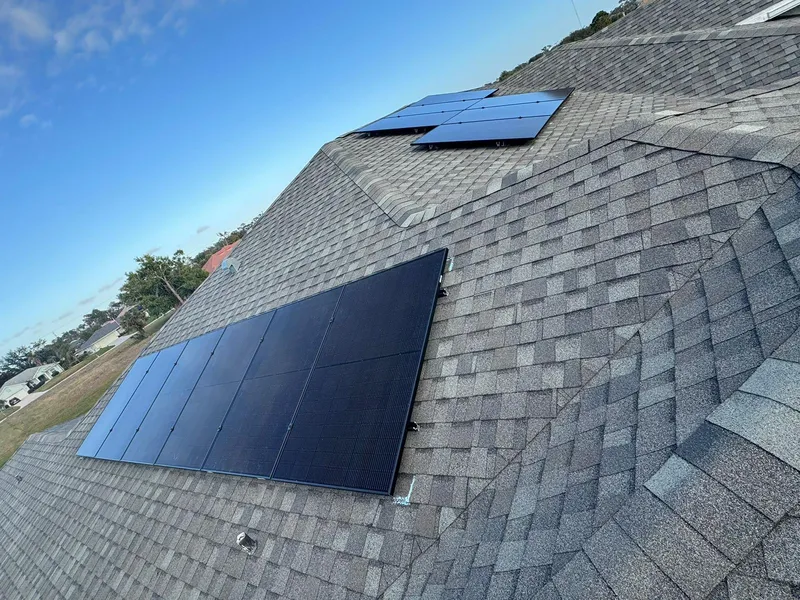
If your roof needs replacement and already has solar panels, the project needs a plan for both systems. Panels may still have useful service life even when the roofing underneath needs attention. Removing them carefully, protecting them during the roof work, and reinstalling them correctly are separate parts of the job.
The process is often called a solar panel removal and reinstall, or a detach and reset. The important questions are which parts must come off, who handles each scope, how the equipment is protected, and what must happen before the system resumes operation.
Which panels need to come off?
For roof replacement beneath an array, the roofing crew needs access to the affected covering, flashing, and deck. Panels and obstructing racking must be removed from that area. The mounting design determines what else comes off: attachments may connect to framing, approved deck attachments, or compatible metal seams.
A repair on an uncovered roof section is different from replacing the surface beneath the array. Ask the roofing contractor and solar installer to mark the affected area and agree on the removal scope. Avoid assuming every repair requires removing every panel, or that reroofing around an array will address the roof beneath it.
The project sequence
1. Assess the roof and document the solar system. Before scheduling removal, record the array layout, product models, serial numbers, monitoring status, and any existing faults. Review roof condition, ownership or lease restrictions, and the relevant warranty documents. If someone else owns the solar equipment, confirm their requirements before authorizing work.
2. Arrange permits and responsibilities. Name the party handling solar removal, the appropriately licensed roofing contractor, and whoever is responsible for inspections and utility coordination. The City of Tampa roofing permit process includes permit and inspection stages; ask the authority serving your address what the combined scope requires.
3. Isolate and remove the affected equipment. Qualified electrical personnel handle shutdown and electrical isolation before removal. Panels can still generate electricity in daylight, so switching off an inverter is not a homeowner's clearance to disconnect wiring. The contractor should specify how modules and hardware will be labeled, transported, and stored according to their product instructions.
4. Complete the roofing work. The roofing contractor opens the affected surface, assesses the deck, addresses approved repairs, and installs the specified roof assembly. Hidden damage can change the scope, so the agreement should explain how additional work is priced and approved.
5. Reinstall and test the solar. The solar installer checks whether the existing mounting design and hardware remain suitable for the new roof. Attachment and waterproofing details must follow the applicable product instructions and project design. The crew reconnects the system, checks its operation, and restores monitoring as appropriate.
6. Complete the required approvals. Confirm local inspection and utility requirements before resuming normal grid-connected operation. A like-for-like reinstall and an expanded array may follow different processes. FPL's net-metering guidance, for example, calls for inspection documentation when equipment is added.
How much downtime should you plan for?
A generic promise of a few days or a fixed number of weeks is not a project schedule. Downtime depends on the array, roof condition, weather, materials, crew availability, inspection appointments, and any utility work.
Ask for a written sequence showing the expected removal date, the roofing window, the reinstall date, and the approval steps still outstanding. The schedule should also identify who contacts you if hidden damage or weather changes the plan. While the system is offline, your electricity use may be supplied differently; ask how that affects your household's arrangements.
Protecting equipment and warranty coverage
Before the panels come down, obtain the equipment warranty, the original workmanship warranty, and the roof warranty. Ask who handles damage during removal or storage, who pays for replacement parts, and who is responsible for waterproofing the new attachments.
Do not assume that using a different contractor automatically cancels every warranty, or that careful work guarantees every future claim. The FTC's warranty guidance explains why the written coverage, exclusions, and repair process matter. Confirm the planned work with the relevant providers and keep before-and-after photos, service records, and inspection documents.
The roof covering, solar equipment, and installation workmanship may have different providers and terms. A single project coordinator does not replace those separate responsibilities.
Who handles the roof and who handles the solar?
UnionGrid can coordinate solar panel removal and reinstall with a roof replacement. Project documents should identify the appropriately licensed roofing party separately from the solar and electrical scope. Verify each named contractor through the Florida DBPR license search.
Good coordination means the roofing and solar teams agree on attachment details, access, inspections, and the handoff. It does not mean leaks, delays, or warranty disagreements become impossible. Get those responsibilities in writing while everyone can still adjust the plan.
Is this a good time to change the solar system?
A removal and reinstall is a useful point to assess aging hardware, changed electricity needs, or interest in battery storage. It is not automatically the cheapest time to expand. Additional panels, a new inverter, or a battery can require a revised design, compatibility checks, permits, and utility review.
Compare a like-for-like reinstall with any proposed upgrade as separate itemized options. If backup power is a goal, specify the circuits, power needs, and desired runtime; storage only supplies the loads its design can support.
If you are considering solar for the first time, our guide to bundling roof and solar versus keeping them separate explains the sequencing decision.
Start with a property-specific quote and a roof assessment. Bring your solar agreement, product details, and any warranty documents so the proposal can cover the work your home actually needs.
Sources checked
Reviewed September 20, 2026. Confirm the requirements and product documents that apply to your project before work begins.
Frequently asked questions
Do I have to remove my solar panels to replace the roof underneath them?
The panels and any mounting components that obstruct the roofing work generally need to come off the affected roof area. The scope depends on the roof section being replaced and the mounting system. A repair elsewhere on the roof may not require removing the entire array. Have the roofing and solar parties agree on the removal plan before work starts.
How long does a solar panel removal and reinstall take?
There is no reliable statewide duration. Array size, mounting method, roof repairs, weather, inspections, equipment availability, and any utility requirements affect downtime. Ask for a written schedule covering removal, roofing, reinstall, testing, and approval to resume operation, with responsibility for each handoff.
Will removing and reinstalling my panels void the warranty?
Removal and reinstall does not come with an automatic promise of continued coverage or automatic loss of the whole warranty. Check the actual equipment, workmanship, and roof terms, including any claim procedures. Damage caused by incorrect handling or installation may be excluded. Keep records and confirm the planned work with the relevant warranty providers.
Can the same company do both the roof and the solar work?
A coordinated project can have one point of contact while using separately licensed parties. UnionGrid coordinates the solar and electrical scope with the appropriately licensed roofing contractor identified in the project documents. An electrical contractor license is not a roofing license; verify the party responsible for each scope before signing.
Should I upgrade or add panels while they're already down?
It's worth asking about. Since the array is already detached and the crew is on site, it can be an efficient time to add capacity, swap aging hardware, or add battery storage. It won't always make sense, but it's a conversation worth having before the reinstall rather than after.
Related reading
Solar Panel Removal & Reinstall in Tampa
See how our detach-and-reset service works for homeowners who need roof work under an existing array.
Learn moreRoof Replacement in Tampa
Roof replacement planning with the appropriately licensed roofing party identified separately from the solar scope.
Learn moreRoof and Solar: When to Bundle vs. Keep Them Separate
A plain-English look at timing your roof and solar projects together to save time and money.
Learn moreGet a Free Quote
Tell us about your roof and your existing solar system and we'll scope the project for you.
Learn moreReady to talk about your project?
Tell us what you need and our team can help you take the next step with solar, roofing, battery storage, or roof-related solar work.