The short answer
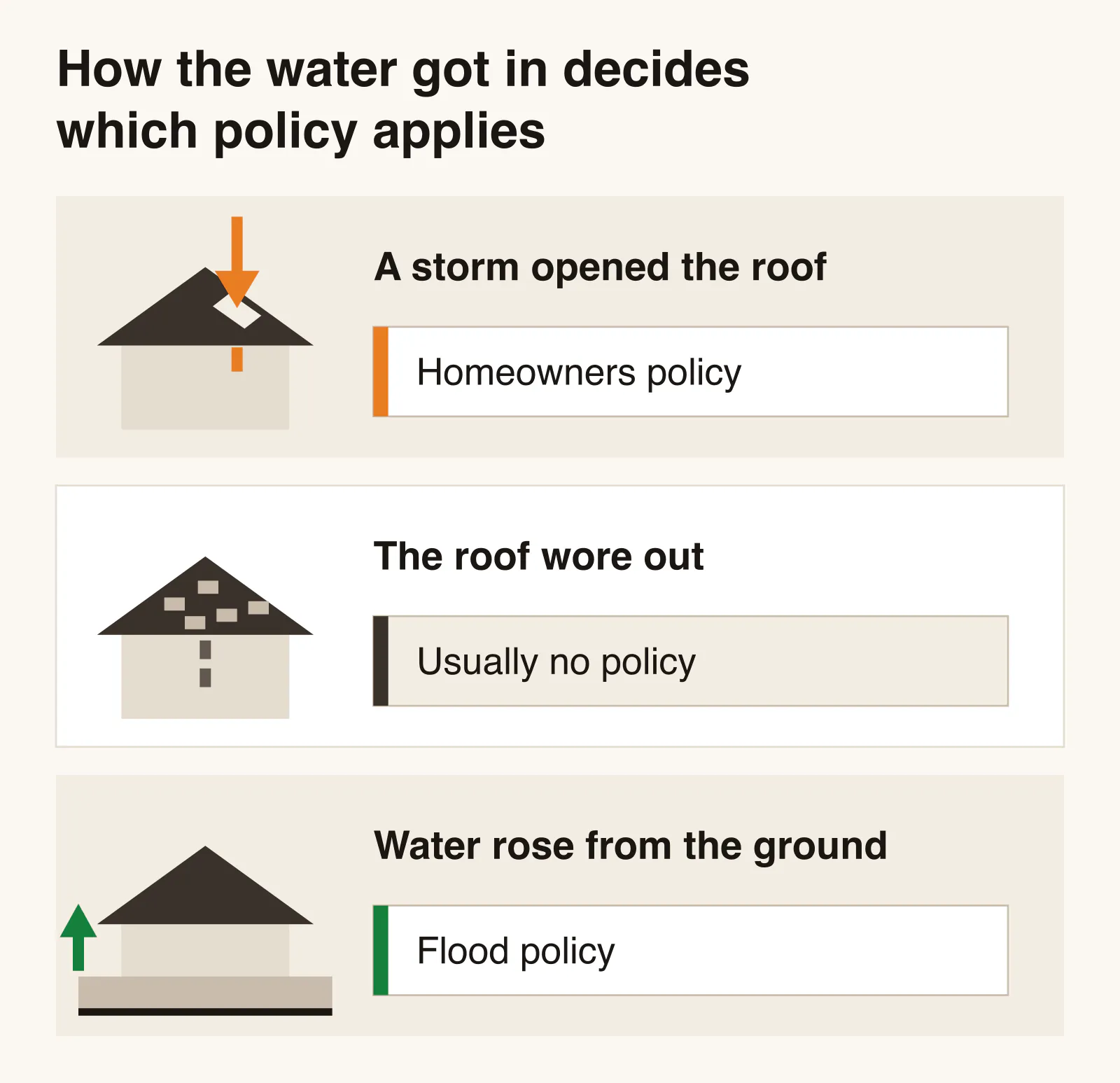
- Homeowners insurance can cover a roof leak when a storm damaged the roof first. A leak from age or wear usually isn't covered.
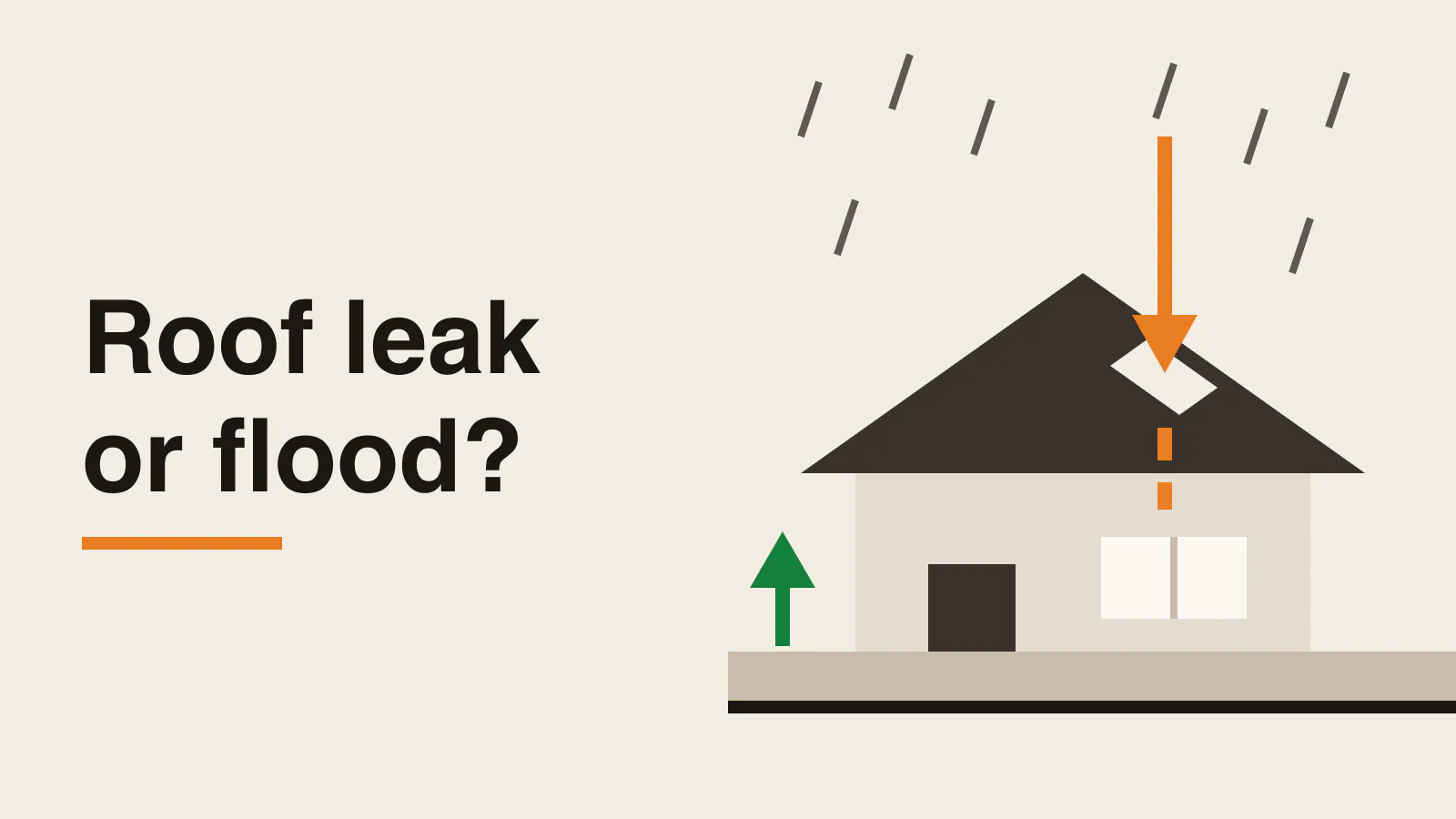
- Flood means water rising from the ground. A homeowners policy doesn't cover it, and a flood policy doesn't cover rain through a damaged roof.
- A new National Flood Insurance Program policy generally takes 30 days to start, and it won't cover a flood that began before you bought it.
- If the insurer says no, ask for the reason in writing. Florida runs a mediation program that the insurer pays for (checked Nov. 26, 2026).
In this guide
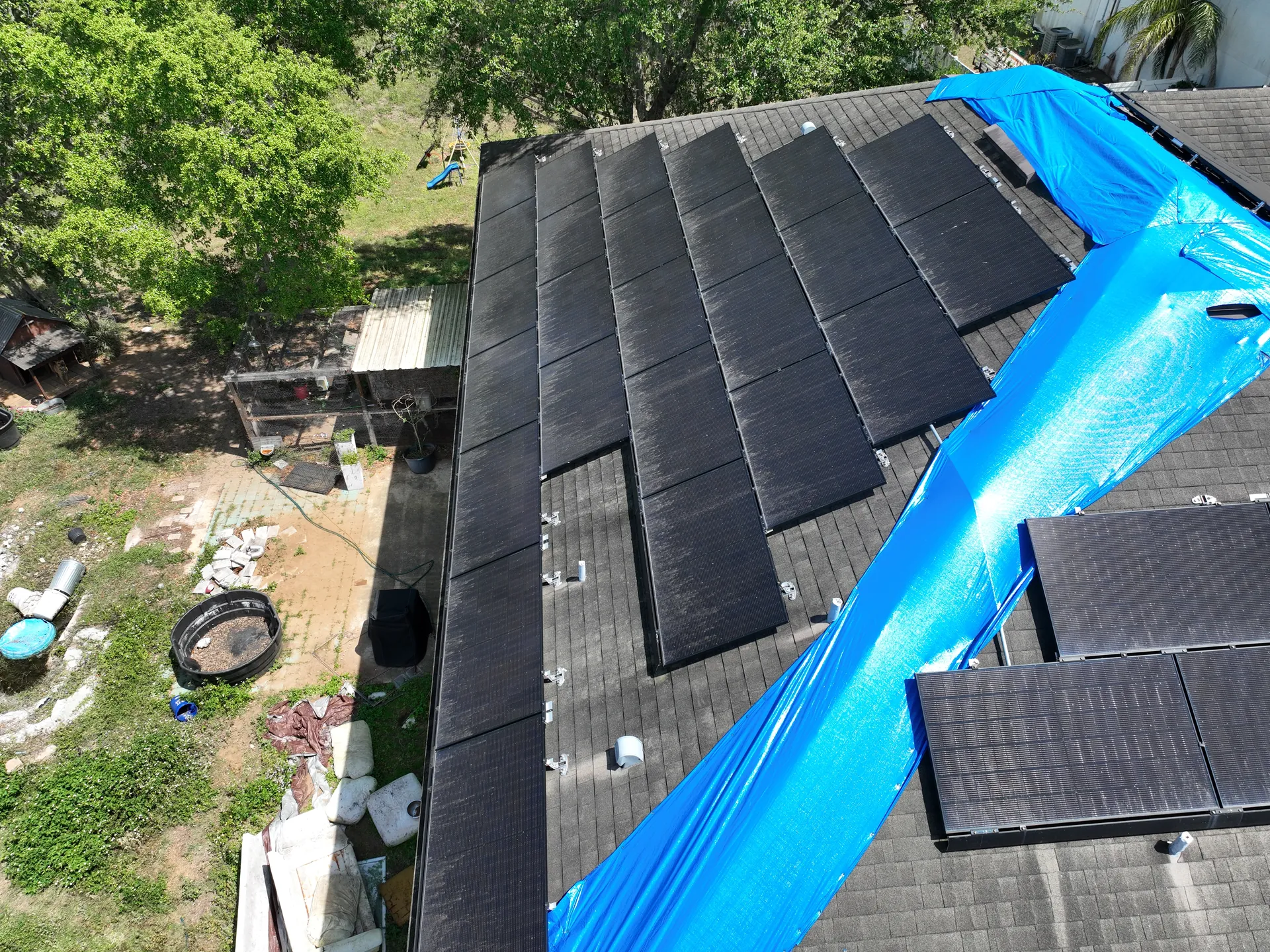
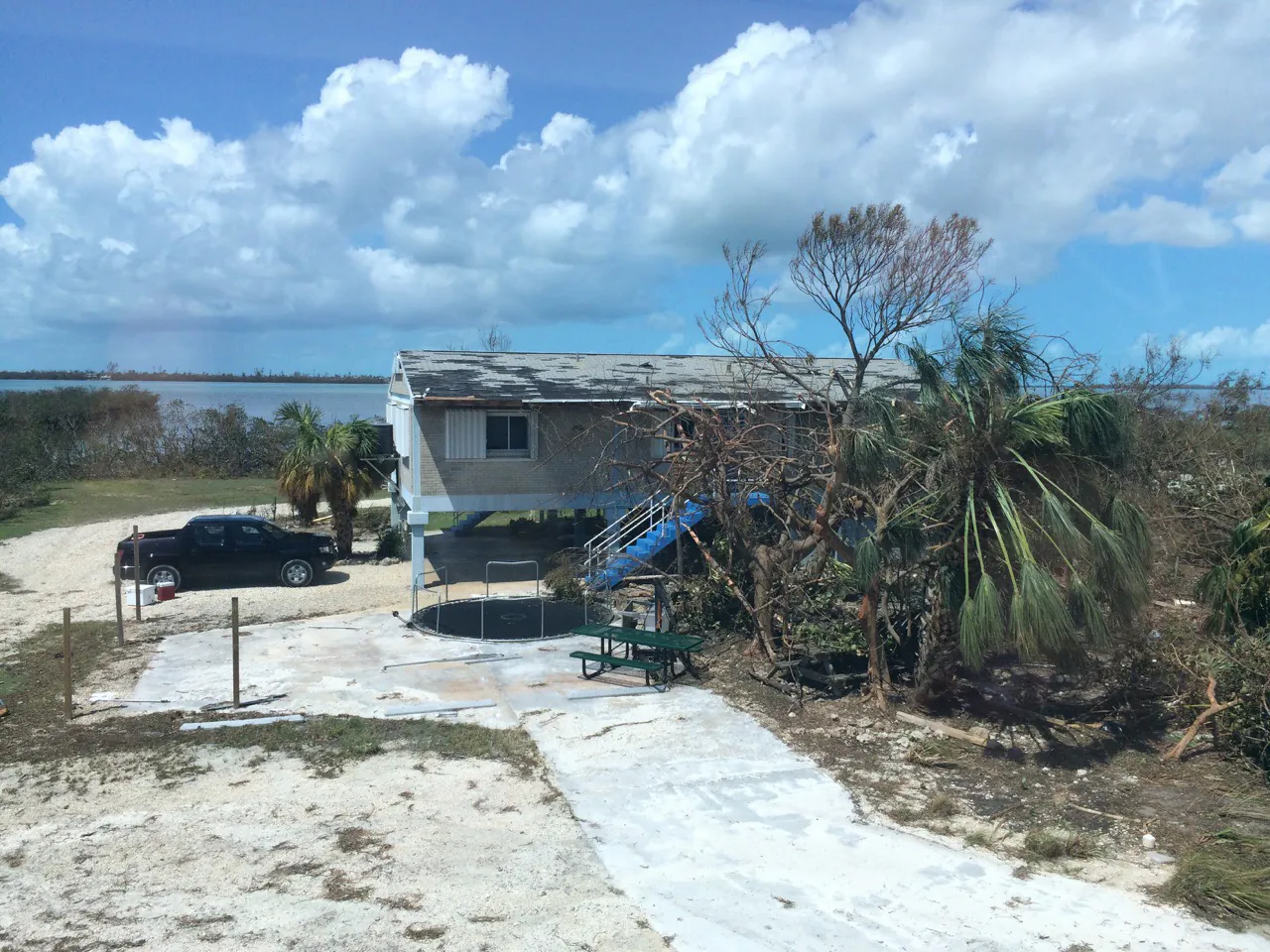
Homeowners insurance can cover a roof leak when a storm breaks the roof open and rain comes in through the hole. A leak from an old or worn roof usually isn't covered, and flood water takes flood coverage you buy separately.
Florida's flood emergency grew from 7 counties on Nov. 2 to 23 on Nov. 21, when Gov. Ron DeSantis added Clay and Orange counties.
His Nov. 18 order cites more than 10 inches of rain in 12 hours in parts of Broward County, including Fort Lauderdale and Hollywood.
On Nov. 24, a Tampa Bay Times headline asked what people can do when their insurer says flood damage isn't covered after heavy rain. The story's opening advice is to look at your coverage and at "how the water entered your home."
The rules below were checked Nov. 26, 2026.
Does homeowners insurance cover roof leaks from rain?
It can, when the storm damaged the roof first.
Florida law writes that rule into hurricane coverage. Rain damage inside the house counts when the wind "first damages the building" and makes the opening the rain comes through.
The governor's orders describe a broad area of low pressure and name no hurricane, so the wording of your own policy decides.
FEMA draws the same line. If your roof is damaged and water comes through the ceiling, that's wind damage, and a flood policy won't pay for it.
In the state Insurance Consumer Advocate's example, a storm sends a tree limb through a window and rain falls in. A homeowners policy would cover that, because the water never sat on the ground first.
An old roof that leaks is a different claim
The same office lists wear and tear and lack of maintenance among the things a homeowners policy typically won't pay for.
| What happened | The policy it points to |
|---|---|
| A storm opened the roof and rain fell in | Homeowners, unless your policy excludes it |
| The roof leaked from age, wear or skipped upkeep | Usually none. Wear and tear is a typical exclusion. |
| Water rose from the ground and came inside | Flood policy only |
| A storm did both | Both. File a claim with each insurer. |
Can't tell what let the water in? Request a roof repair assessment in Tampa and ask for a written report that names the spot and the cause before anyone repairs it.
Flood vs. water damage insurance in Florida: two policies
Flood means rising water. A flood policy covers water that enters your home from the ground up, and FEMA doesn't count falling water or wind as flood.
Florida's Department of Financial Services says flatly that a homeowners policy doesn't cover flood damage, so that takes a flood policy.
Less than 20% of Florida property owners have flood insurance, AM Best analyst Christopher Graham said on Nov. 24.
When a storm does both and you hold both policies, the adjusters decide which part is wind and which is flood. The state says it's fairly common for both to pay part.
The NFIP waiting period: a new policy won't cover this flood
A National Flood Insurance Program policy generally takes 30 days to start. If the flood began before you bought it, the damage isn't covered, even damage that happens after the policy starts.
The program's authorization runs through Dec. 11, 2026, and if Congress lets it lapse, FEMA can't sell new policies.
What to photograph and what the roof report should say
- Photograph and film the damage, inside and outside, before any temporary repair.
- Cover the opening so no more rain gets in. Hire a professional when you need one, and keep every receipt.
- Call your insurer. For the repair itself, it's often better to let the company inspect before you sign with anyone.
- Get the roof report in writing. It should show where the water got in and what the opening looks like. Ask it to list older damage that was never repaired, which the state says can affect a claim.
The report describes the roof, not your coverage. Florida law bars a contractor from interpreting your policy unless they're also a licensed public adjuster.
Dry everything fast, because flood and property policies don't cover mold if you did nothing to stop it. Our roof leak checklist covers the first 48 hours and Florida's deadline to report a claim.
If the insurer says no
You have a right to a written explanation of a denial or a partial denial, so ask for it.
If you disagree about what caused the damage, the state runs a mediation program for that. The dispute has to be $500 or more after the deductible, and the insurer pays for the session.
Call the state's insurance helpline at 1-877-693-5236 to ask for it.
What to do now
If shingles are gone, start with our guide to missing roof shingles. If panels sit on the roof, read about solar panel insurance coverage too.
Then request a roof assessment, and check that the paperwork names who holds the roofing license for the job.
Sources checked
Sources reviewed Nov. 26, 2026.
- Florida Statutes s. 627.4025, Residential coverage and hurricane coverage defined (2026)
- FEMA: Wind Damage Versus Floodwater Damage: What You Need to Know When Filing a Claim (May 19, 2023)
- FEMA: Damage to Property? (FAQ, updated Feb. 5, 2020)
- Florida Department of Financial Services: Homeowners Insurance Overview
- Florida Office of the Insurance Consumer Advocate: Determine Your Coverage Needs
- Florida Office of the Insurance Consumer Advocate: Anywhere It Rains, It Can Flood (flyer)
- Florida Department of Financial Services: Post-Storm Insurance Questions and Answers (Oct. 11, 2024)
- Florida Department of Financial Services: Post-Disaster Insurance Claims (brochure, July 2024)
- Florida Department of Financial Services: Mediation and Neutral Evaluation
- Florida Statutes s. 489.147, Prohibited property insurance practices (2026)
- FloodSmart (NFIP): What you need to know about buying flood insurance
- NFIP: Flood-in-Progress Policy Exclusion (infographic, February 2022)
- Congressional Research Service: What Happens If the National Flood Insurance Program (NFIP) Lapses? (IN10835, updated Sept. 11, 2026)
- Office of the Governor: Executive Order 26-232, 2026 Fall Flooding (Nov. 18, 2026)
- Office of the Governor: Executive Order 26-237, 2026 Fall Flooding (Nov. 21, 2026)
- Insurance Journal: Without Citizens Policies, Floridians Likely Dropped Flood Coverage at the Worst Time (Nov. 25, 2026)
- Tampa Bay Times: Their insurance company says flood damage isn't covered after heavy rain. What can they do? (Nov. 24, 2026; subscribers only past the first line)