
roof replacement
How Much Does Roof Replacement Cost in Tampa in 2026?
By UnionGrid Team8 min read
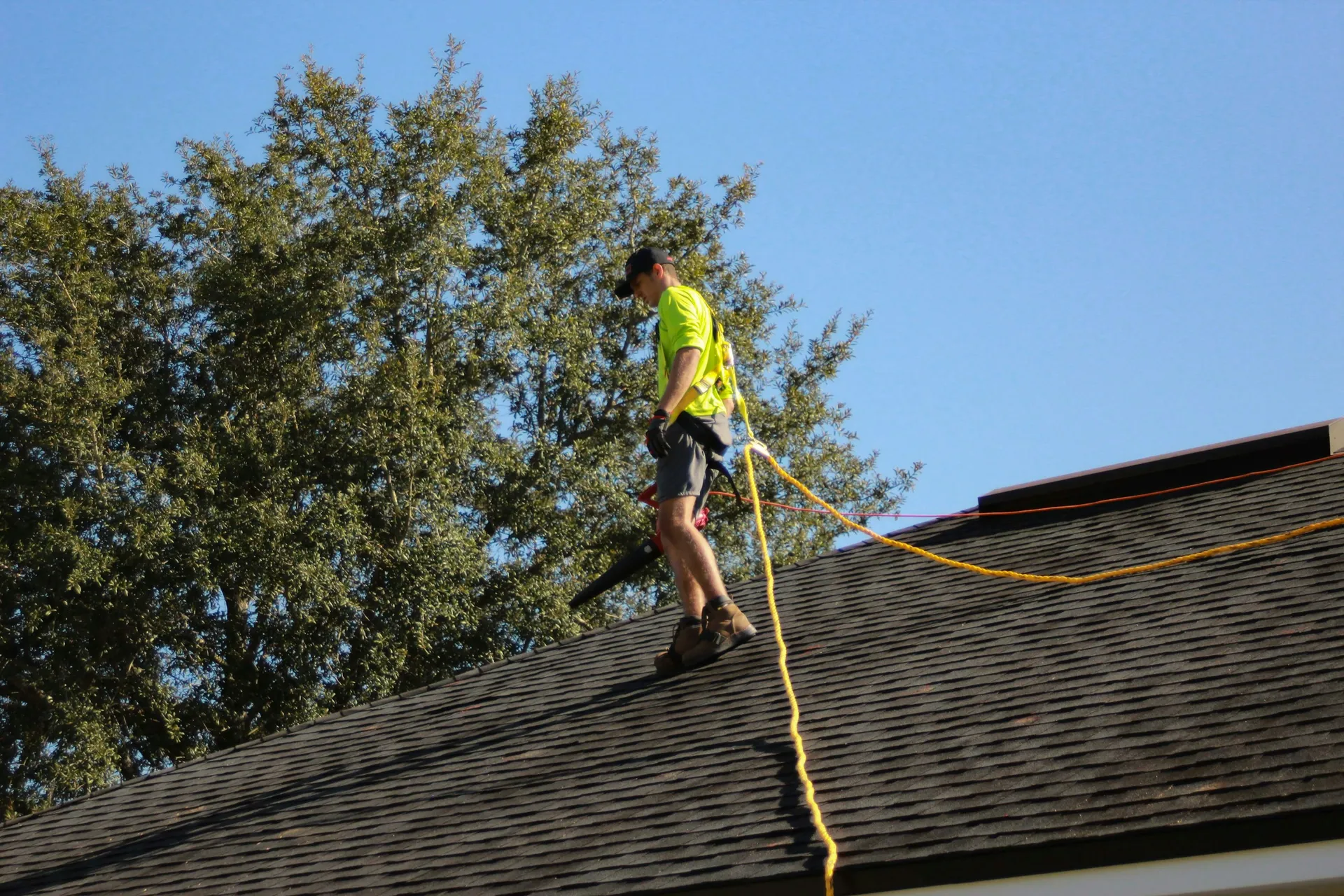
If you own a home in Tampa and your roof is getting up there in years, the first question is almost always the same: what is this going to cost me? It is a fair question, and it is also a hard one to answer with a single number. Roof replacement pricing behaves a lot like solar pricing — it is built up from measurable inputs specific to your house, not pulled from a flat rate card.
This post walks through the real cost drivers so you can read a roofing estimate with confidence, spot what is inflating or shrinking the number, and understand how a future solar plan fits in. One thing up front: the electrical and solar scope must be distinguished from roofing. An electrical contractor license is not a roofing license. For any roof replacement, the appropriately licensed roofing contractor is identified separately in your project documents. What we do well is coordinate the roof and solar scopes so they line up.
What actually drives roof replacement cost
Roofing estimates often use the "square" — one square equals 100 square feet of roof surface. Measured roof area is a starting point, and it is why two homes with the same floor plan can land in different places. Here are the inputs that move the number the most.
Roof size and shape. A larger roof means more squares, more material, and more labor. But shape matters just as much. A simple gable roof with two big planes is faster and cheaper to work than a cut-up roof with lots of hips, valleys, dormers, and penetrations. Every valley and every pipe boot is a spot that needs careful flashing and detail work.
Pitch (steepness). Steeper roofs are slower and require more fall protection, so labor climbs. Many Florida homes have moderate pitches, but if yours is steep, expect that to show up in the estimate.
Number of layers to tear off. Removing one existing layer of shingles is standard. If a previous roof was installed over an older one, you may have two layers to strip, which adds disposal and labor. Tear-off and dump fees are a real line item, not an afterthought.
Decking condition. This is the wildcard. Once the old roof is off, the crew can see the plywood or OSB decking underneath. If sections are rotted, delaminated, or water-damaged, they have to be replaced before the new roof goes down. Good estimates include an allowance or a per-sheet price for replacing bad decking so you are not blindsided mid-project.
Material choice. This is the biggest lever you control. Shingle, metal, and tile assemblies use different materials and installation details. Tile weight may require a structural assessment, while metal roof profiles and coatings affect the specification. Compare itemized prices for the products your contractor actually proposes. The material you pick can swing the total more than almost any other single factor.
Underlayment and accessories. What goes between the deck and the shingles matters in Florida's climate. Peel-and-stick self-adhered underlayment, drip edge, ridge vents, pipe boots, and new flashing all add up. Cheaper is not always better here, because these components are what keep wind-driven rain out.
Access and site conditions. A single-story home with a clear driveway and open yard is easier and cheaper than a home with tight access, delicate landscaping, a pool cage in the way, or limited spots to stage material and a dumpster. Access affects labor hours, and labor is a big part of the bill.
Permits and inspections. Check the City of Tampa roof permit process or Hillsborough County reroof inspection guidance, depending on which authority serves your address. Ask the roofing contractor to identify the required permit, inspections, and current fees in the estimate.
Why one Tampa number won't fit your roof
You have probably seen "average roof cost" figures floating around online. Treat them as loose context, not a quote. A per-square or total figure that ignores your pitch, your material, your layers, and your decking is a guess dressed up as a fact.
Here is a simple illustrative way to think about it — and these are labeled assumptions, not a promise for your home. Imagine two Tampa houses. The first is a single-story ranch with a simple gable roof, moderate pitch, one layer of asphalt shingles to remove, sound decking, and easy driveway access. The second is a larger home with multiple hips and valleys, a steeper pitch, two old layers to strip, some soft decking discovered during tear-off, and tight access around a screened pool. Same city, same week, wildly different totals — driven entirely by the inputs above, not by anyone's mood.
That is why a real estimate starts with measurements. A roofing contractor measures your roof (often from aerial imagery plus an on-site check), counts the penetrations, notes the pitch and access, and prices from there. If someone quotes you a firm number over the phone without any of that, be skeptical.
How solar changes the roof conversation
This is where UnionGrid's coordination role comes in, and it is worth thinking about even if solar is a "maybe someday" for you.
If your roof is near the end of its life and you are also considering solar, the timing question is real. Mounting a new solar array on a roof that needs replacing in three years means paying to remove and reinstall that array when the roof work finally happens. Sequencing the roof first — or doing both together — can avoid that duplicated cost. Our solar panel removal and reinstall service exists precisely because plenty of homeowners installed panels before addressing an aging roof.
When the roof and solar scopes are planned together, a few things get easier:
- Coordinated scheduling. Agreeing on the sequence can reduce duplicated setup, although separate trades and inspections may still require multiple visits.
- Avoiding an early removal and reinstall. Addressing a roof that already needs replacement can prevent that roof issue from forcing a new array back off. Future roof work may still be needed.
- Cleaner details. Flashing, penetrations, and mounting points are planned into the new roof rather than retrofitted onto an old one.
That does not mean bundling is always the right move. If your roof has many years of life left, it may make more sense to keep the projects separate and add solar when you are ready. We break down that decision in roof and solar: bundle vs. separate and in our Tampa roof and solar bundle overview.
The important part: on any roof-plus-solar project, UnionGrid coordinates the electrical and solar scope, and the roofing scope is performed by the appropriately licensed roofing contractor named in your project documents. Two clearly identified parties, one coordinated timeline.
Florida-specific factors worth knowing
Florida's building environment shapes roofing more than most states, and a few points are worth flagging.
Wind design. Ask the roofing professional to identify the permit's wind criteria and approved assembly using the Florida Building Commission code resources. The roof and solar attachment designs need to account for the particular building and proposed products.
Permitting. As noted, roof replacements in the Tampa area are permitted and inspected. Timelines and fees depend on the jurisdiction and current backlog.
Insurance and roof age. Many Florida homeowners look at roof age through the lens of their insurance situation. We do not make coverage claims — talk to your insurer about how your specific policy treats roof age and condition. It is simply a factor many homeowners weigh alongside cost.
How to read a roofing estimate
When you get a written estimate, look for these things spelled out clearly:
- Roof size in squares and the material specified
- Tear-off scope (how many layers) and disposal
- A decking allowance or per-sheet replacement price
- Underlayment type and key accessories (drip edge, flashing, vents, pipe boots)
- Permit and inspection fees as their own line
- The licensed roofing contractor's name and license, separate from any electrical or solar party
If solar is part of the plan, your paperwork should also identify the electrical/solar scope distinctly from the roofing scope. Verify each named contractor through the Florida DBPR license search. Clear documents protect you.
Getting a useful estimate
There is no single Tampa roof replacement price for 2026, and anyone who gives you one without measuring your roof is guessing. The number comes from your roof's size, shape, pitch, layers, decking condition, material choice, access, and permits. Get those measured, get them itemized, and the estimate stops being mysterious.
If solar is anywhere on your horizon, plan the two conversations together. Even if you decide to keep the projects separate, knowing your roof's remaining life helps you avoid paying twice to put panels up. Want help lining up the roof and solar timeline? Reach out for a quote or see the areas we serve.
Sources checked
Reviewed September 20, 2026. Confirm the requirements and product documents that apply to your project before work begins.
Frequently asked questions
Why can't UnionGrid just quote a flat roof replacement price?
Roof pricing depends on the measured roof area, pitch, tear-off scope, deck condition, material, and access. A useful estimate identifies those inputs and comes from the appropriately licensed roofing party named in your project documents. UnionGrid coordinates that roofing scope separately from the solar and electrical work.
Does replacing my roof at the same time as solar save money?
Coordinating a roof that already needs replacement with new solar can avoid an early removal and reinstall and may reduce duplicated setup. It does not guarantee a single crew visit or a lower total price. Compare itemized scopes and the roof assessment; keeping projects separate can make sense when the existing roof is sound.
Who is licensed for the roofing work if UnionGrid does my solar?
Your project documents should identify the appropriately licensed roofing contractor separately from the solar and electrical contractor. UnionGrid coordinates the scopes and sequencing. Verify the license holder named for each scope before signing; an electrical contractor license is not a roofing license.
What roof factors matter most for adding solar later?
Remaining roof life, the deck's condition, roof pitch, and available unshaded area all matter. If you expect to add solar within a few years, it is usually worth discussing the roof and solar plan together so you are not paying to remove and reinstall a new array.
Related reading
Tampa Roof Repair
Roof repair and replacement coordination for the Tampa area.
Learn moreRoof & Solar Bundle in Tampa
When it makes sense to combine a roof project with a solar install.
Learn moreRoof and Solar: Bundle vs. Separate
How to decide whether to combine or stage your roof and solar work.
Learn moreSolar Panel Removal & Reinstall (Tampa)
How panels come off and go back on for roof work.
Learn moreTampa Solar Cost 2026
A companion breakdown of what drives solar pricing in Tampa.
Learn moreReady to talk about your project?
Tell us what you need and our team can help you take the next step with solar, roofing, battery storage, or roof-related solar work.