
roofing
Shingle, Tile, or Metal Roofing in Florida: How to Choose
By UnionGrid Team4 min read
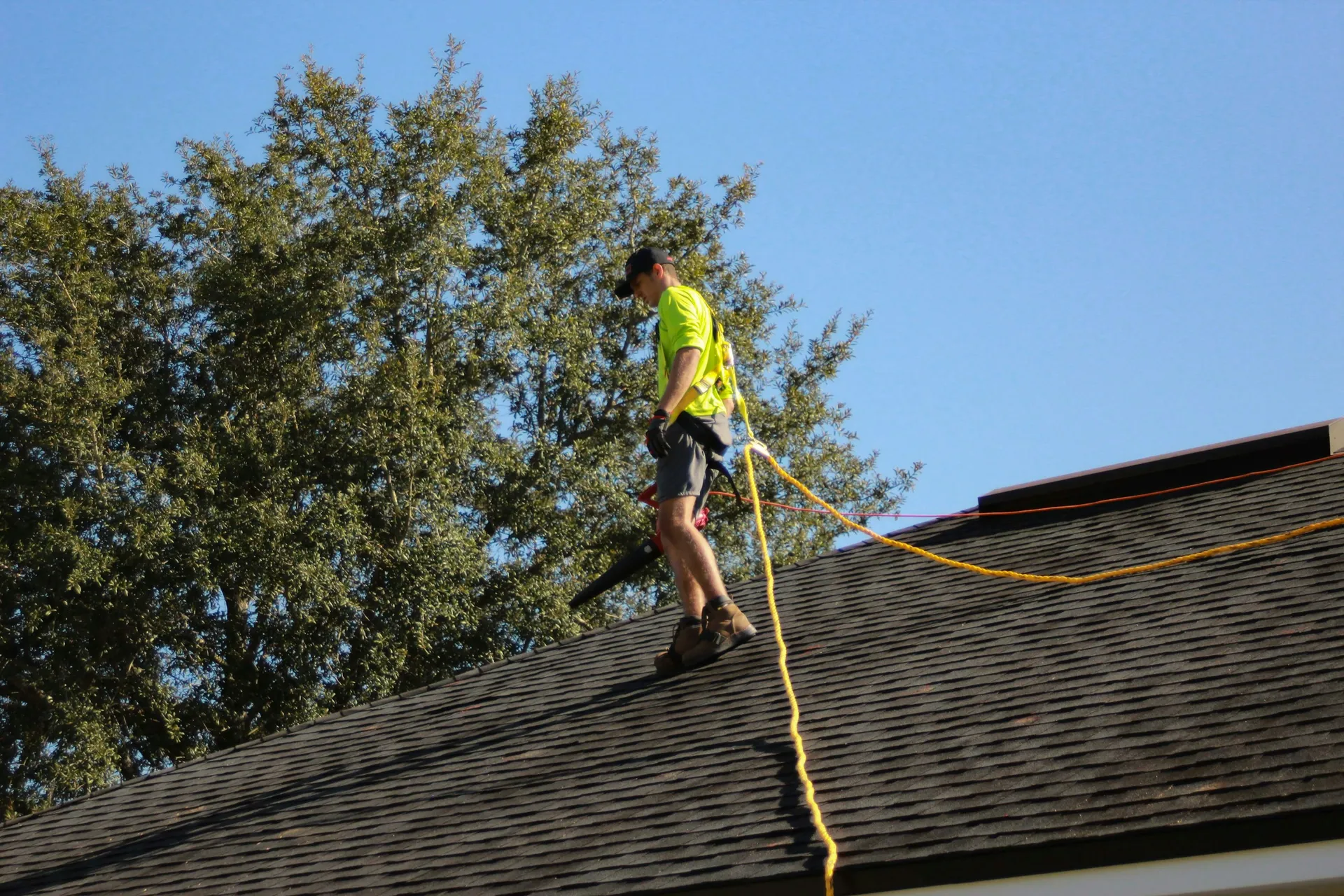
Choosing a Florida roof means comparing a complete roof assembly, not just the visible material. Asphalt shingles, concrete or clay tile, and metal can all be considered alongside solar, but the attachment details, structural needs, maintenance, and price depend on the specific products and property.
UnionGrid coordinates the solar and electrical scope with roofing work. Your project documents should identify the appropriately licensed roofing party separately. Confirm the contractor responsible for each scope using the Florida DBPR license search.
Start with the roof design for your address
Location, building geometry, exposure, and the proposed roof system affect the design. A material name alone does not establish wind resistance or suitability for solar. Have the roofing professional identify the applicable code, product approvals, fastening details, and any structural changes.
The Florida Building Commission's code resources provide editions and supplements. Ask which provisions apply to your permit; a coastal address should not automatically be treated as belonging to a particular code zone.
Asphalt shingle: compare the complete assembly
Shingle roofs offer a familiar appearance and a wide choice of products. For an estimate, look beyond the shingle name to the underlayment, flashing, ventilation, deck repairs, and installation requirements.
For solar: mounting may use flashed attachments through the covering. The attachment must match the roof assembly and approved mounting design. Check whether the installer needs access to framing or whether the specified system uses approved deck attachments.
For maintenance: ask how damaged shingles and nearby flashing would be accessed with panels in place. A newer roof still needs a condition assessment; age alone does not prove it is ready for solar.
For cost: compare an itemized shingle proposal with the other materials for the same roof. Product grade, access, tear-off, and repairs can change the result, so a material ranking is not a quote.
Concrete and clay tile: account for weight and access
Tile can be an appealing choice where its profile and finish suit the home. The covering, underlayment, flashing, and supporting structure need to be considered together. A sound-looking tile surface does not establish the condition of the layers below it.
For solar: tile-specific attachments may use hooks or replacement flashing components. Confirm the method for the actual tile profile and roof design. Handling brittle tiles and sourcing replacements can add work, which should be included in the proposal.
For structure: changing from another material to tile can change roof weight. Ask whether an assessment or reinforcement is required before selecting the assembly.
For maintenance: discuss how the roof and solar contractors will access and repair the underlayment and flashing, and how responsibility for broken tiles is documented.
Metal roofing: distinguish standing seam from other systems
Standing-seam panels, exposed-fastener panels, and metal shingles use different details. Their coating, fasteners, seams, and underlying assembly also affect maintenance and performance. Avoid treating all metal roofs as one product.
For solar: compatible standing-seam systems may use clamps that grip the seam without penetrating the roof panel. Other metal roofs need a different attachment. The S-5! solar mounting resources illustrate why the mounting system must be selected for the roof profile. Confirm the clamp compatibility, attachment capacity, and roof manufacturer's requirements in the actual design.
For maintenance: ask about coating care, fastener or seam inspections, corrosion exposure, and what a future repair would involve around the array.
For cost: request the complete roof-and-mounting price. A potential advantage in solar attachment does not by itself establish that a metal roof has the lowest total cost.
Heat performance depends on the product
Color and surface properties matter across roofing materials. Cool-roof options exist for shingles, tile, and metal, and cooling performance also depends on the building and climate. Compare the proposed product's reflectance and thermal-emittance information instead of assuming any metal roof will stay cooler than every shingle roof. The Department of Energy's cool-roof guide explains these distinctions.
How the roof choice affects solar timing
Start with roof condition and the planned scope:
- A sound roof with useful service life remaining: assess solar compatibility and any repairs needed before installation.
- A roof already needing replacement: compare replacing it before solar with a coordinated project. Our guides to bundling roof and solar in Tampa and bundling versus separate projects explain the trade-offs.
- Existing panels over a roof that needs work: include panel removal and reinstall, storage, inspection, and warranty responsibilities in the roofing plan.
Do not choose a roof solely to match a generic panel lifespan. Compare the condition report, product requirements, maintenance, and written warranty terms for both systems.
Compare proposals using the same questions
For each roof option, ask for the material and assembly specification, structural work, itemized price, proposed solar attachment, maintenance requirements, and responsibility for leaks or damaged components. The roofing and solar parties should agree on those details before installation.
If you would like a property-specific comparison, request a free quote or contact us. We can coordinate the roof and solar planning so you can compare complete scopes with the responsible licensed parties identified.
Sources checked
Reviewed September 20, 2026. Confirm the requirements and product documents that apply to your project before work begins.
Frequently asked questions
Which roof material is best for adding solar in Florida?
There is no single best material — each works with solar, but the mounting method and cost differ. Asphalt shingle and standing-seam metal are generally the most straightforward for panel attachment, while tile requires specialized tile hooks or tile replacement flashings and more careful labor. The right choice depends on your roof's age, structure, and how long you plan to keep the panels in place. A site-specific assessment is the only way to know for sure.
Does putting solar on a tile roof cost more?
Tile roofs typically involve more labor and specialized flashing hardware than shingle, because installers must work around brittle tiles and sometimes swap individual tiles for mounting flashings. That added labor can raise installation cost compared to a comparable shingle roof. Because pricing depends on your specific tile type, roof condition, and layout, we quote it per property rather than by a rule of thumb.
Should I replace my roof before installing solar?
Use a roof assessment to compare remaining service life with the planned solar installation. If the roof needs replacement soon, completing it first can avoid an early panel removal and reinstall. UnionGrid coordinates the solar and electrical scope with the appropriately licensed roofing party named separately in the project documents.
Is metal roofing worth it in Florida?
Compare the proposed metal roof with other products using itemized prices, maintenance requirements, warranty terms, and the needs of your property. Compatible standing-seam roofs may accept solar clamps without penetrating the panels, but that depends on the seam profile, clamp, roof attachment, and project design. Neither service life nor financial payback is universal.
Related reading
Roofing services
See how UnionGrid coordinates roofing scopes alongside solar projects.
Learn moreRoof and solar bundle in Tampa
When it makes sense to combine a roof replacement with a solar install.
Learn moreRoof and solar: bundle vs. separate
How to decide whether to sequence your roof and solar work together or apart.
Learn moreSolar panel removal and reinstall in Tampa
What's involved when panels come off for roof work and go back on.
Learn moreGet a free quote
Request a property-specific look at your roof and solar options.
Learn moreReady to talk about your project?
Tell us what you need and our team can help you take the next step with solar, roofing, battery storage, or roof-related solar work.